
ISO Transformer: The Ultimate Factory Guide to Safety & Noise Reduction
Jan 24,2026 | nretec
Quick Answer:
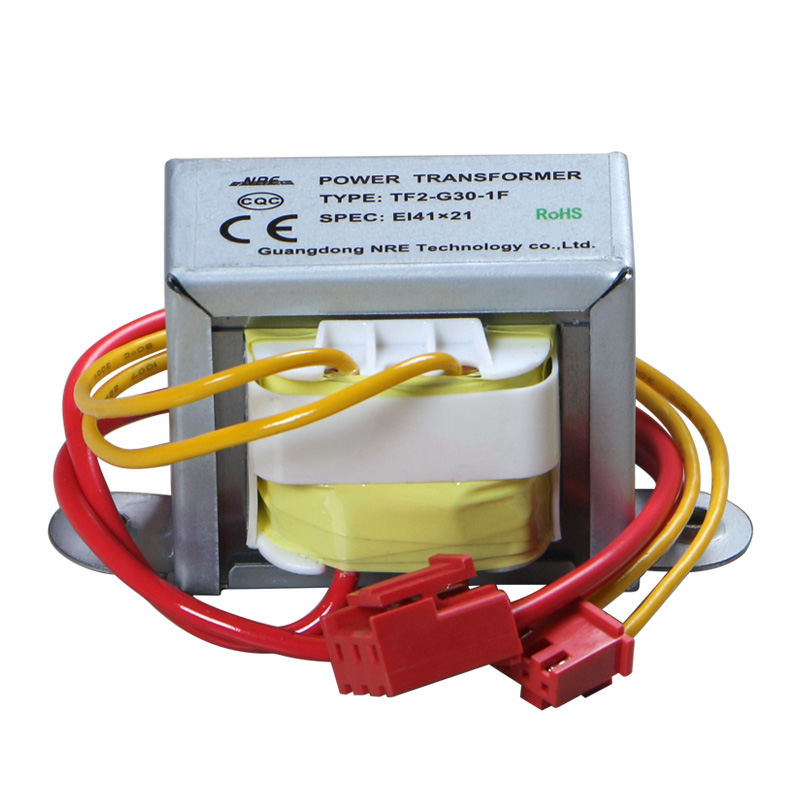
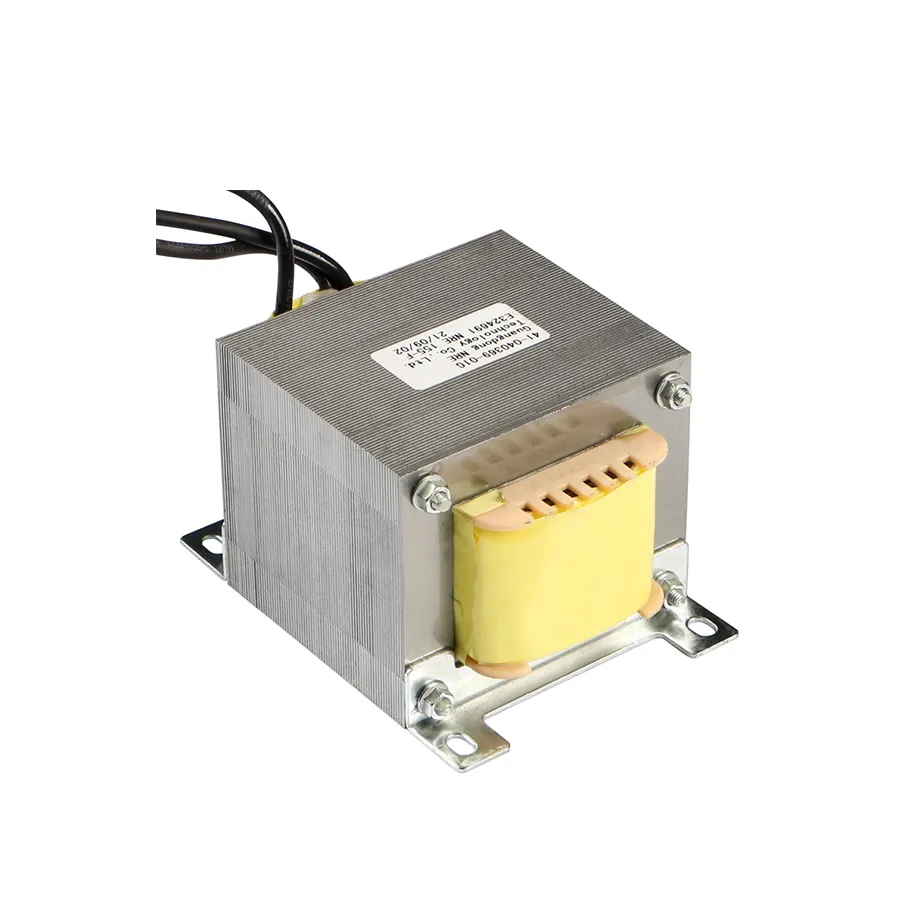
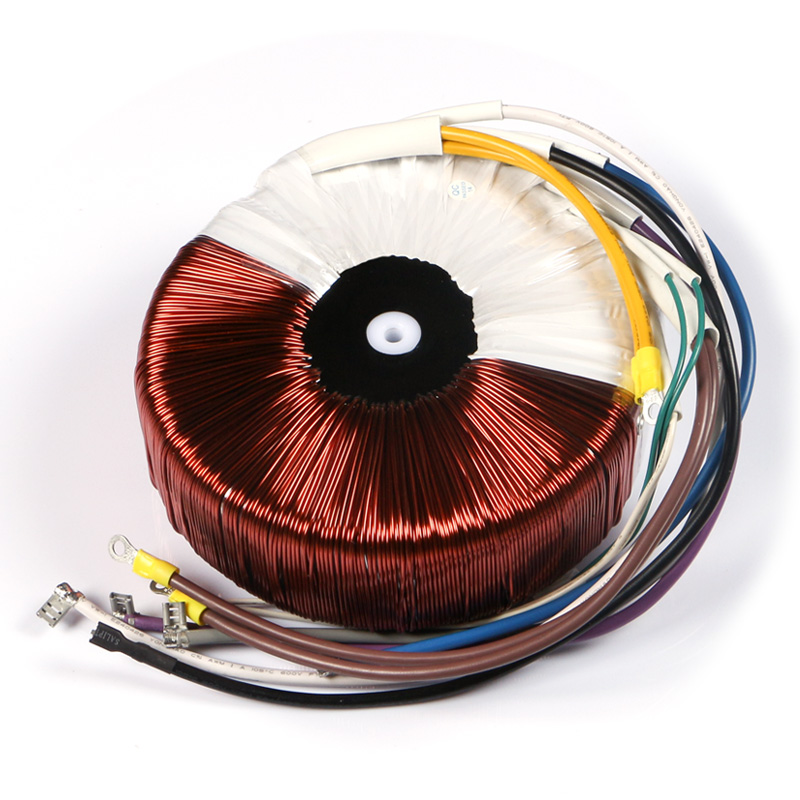
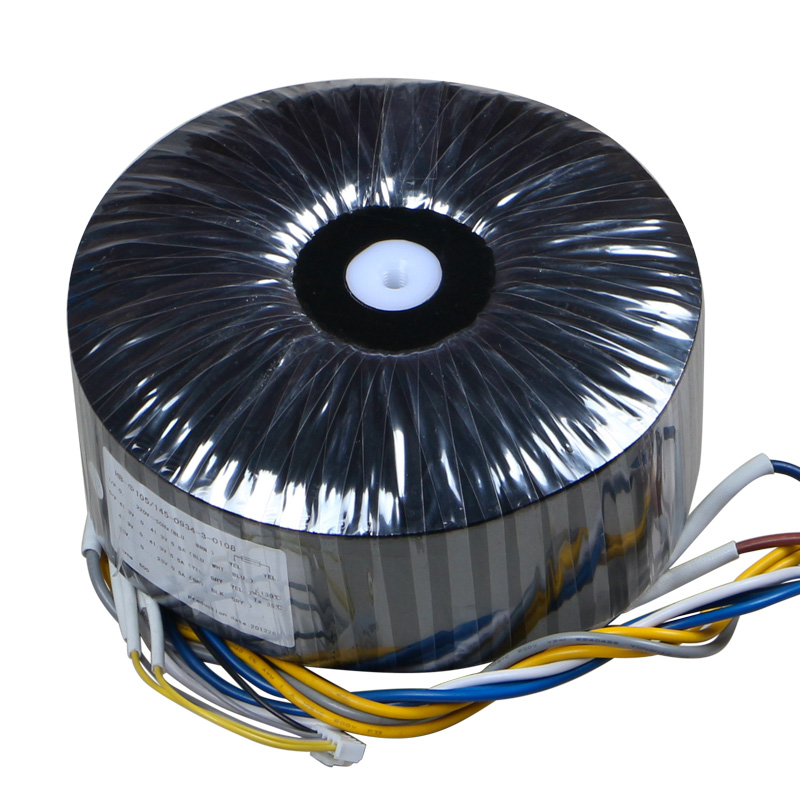
An ISO transformer (or isolation transformer) is a static device that transfers electrical power between two circuits through magnetic coupling without a direct electrical connection. This galvanic isolation protects sensitive equipment from electric shock, suppresses electrical noise, and safeguards users. They are standard in medical devices, marine systems, and precision industrial control.
Two months ago, a client from a specialized medical clinic in Singapore reached out to our engineering team. Their sensitive MRI diagnostic equipment was giving erratic readings. They blamed the software, but after a quick video call to check their power setup, I spotted the culprit: the equipment was connected directly to the building's noisy mains grid without isolation.
In my 15 years at the NRE factory floor, I've seen this simple oversight cost companies thousands in damaged electronics.
Whether you call it an iso transformer, isolation transformer, or 1:1 transformer, this device is the unsung hero of clean power. In this guide, I'll walk you through how they work, why you probably need one, and how to verify the specs like a pro.
What Actually "Isolates" in an ISO Transformer?
Most standard transformers are "autotransformers" where the primary and secondary windings share a common connection. They are cheap and efficient but dangerous if a fault occurs.
An iso transformer is different. It provides superior electrical isolation by design:
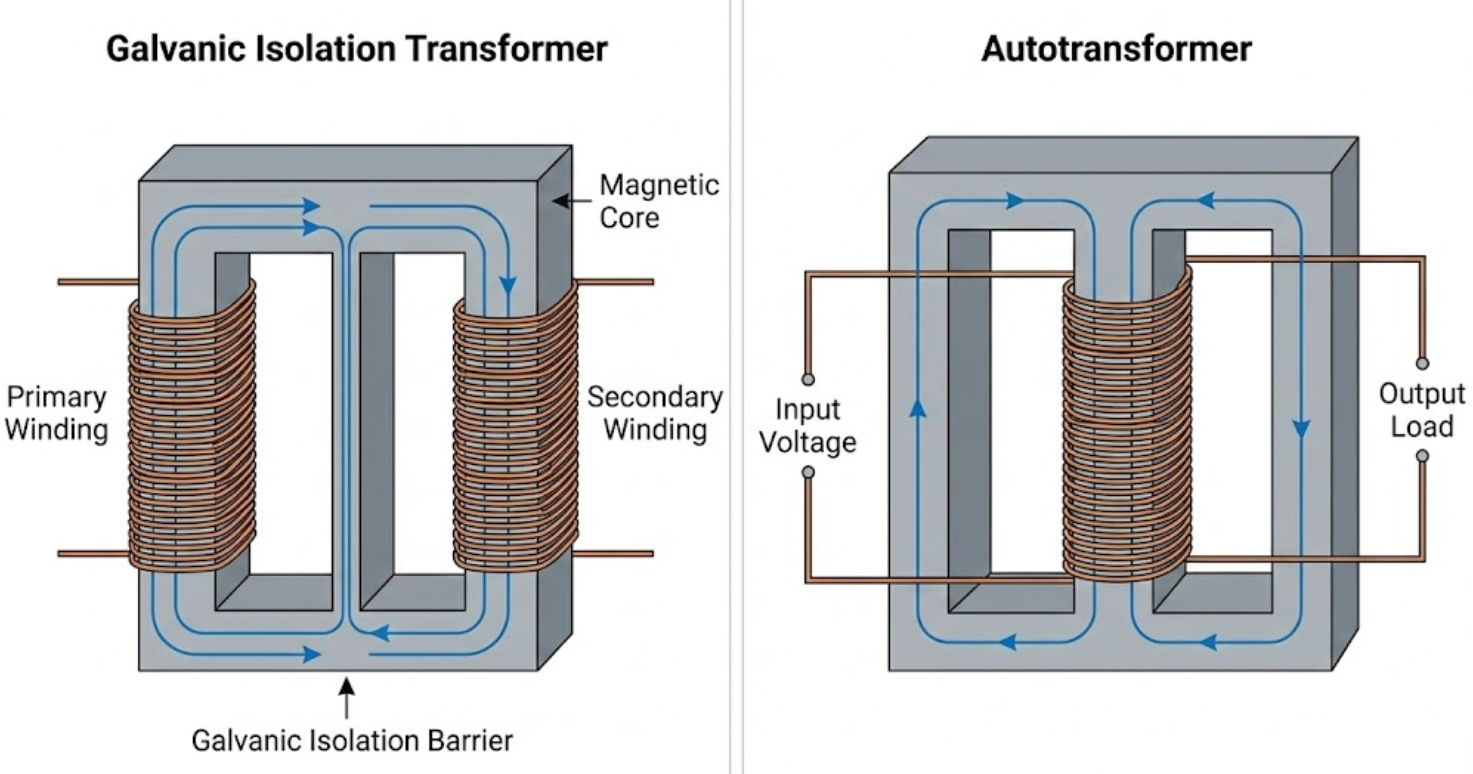
- Physical Separation: The primary and secondary windings are physically separated. There is no copper wire connecting the input power source to the output load.
- Magnetic Transfer: Power is transferred 100% via the magnetic field in the core.
- The Benefit: If a fault happens on the input side (like a lightning strike or short circuit), it cannot easily "jump" to your equipment on the output side.
The "Galvanic" Advantage
In our testing lab, we measure this isolation using Dielectric Strength tests. At NRE, we stress-test our custom units at 2500V/min to ensure that even under extreme surges, that barrier holds.
Factory Insight:
Many cheap "isolation" transformers marketed online are actually just separate winding transformers without proper shielding. A real medical-grade or industrial ISO transformer should feature an electrostatic shield (a grounded copper sheet) between the windings to block high-frequency noise.
For a deeper dive into the physics, see the Wikipedia definition of Isolation Transformers.
3 Critical Applications Where You Can't Compromise
We supply thousands of these units annually. Here is where they are non-negotiable:
1. Medical Environments (Patient Safety)
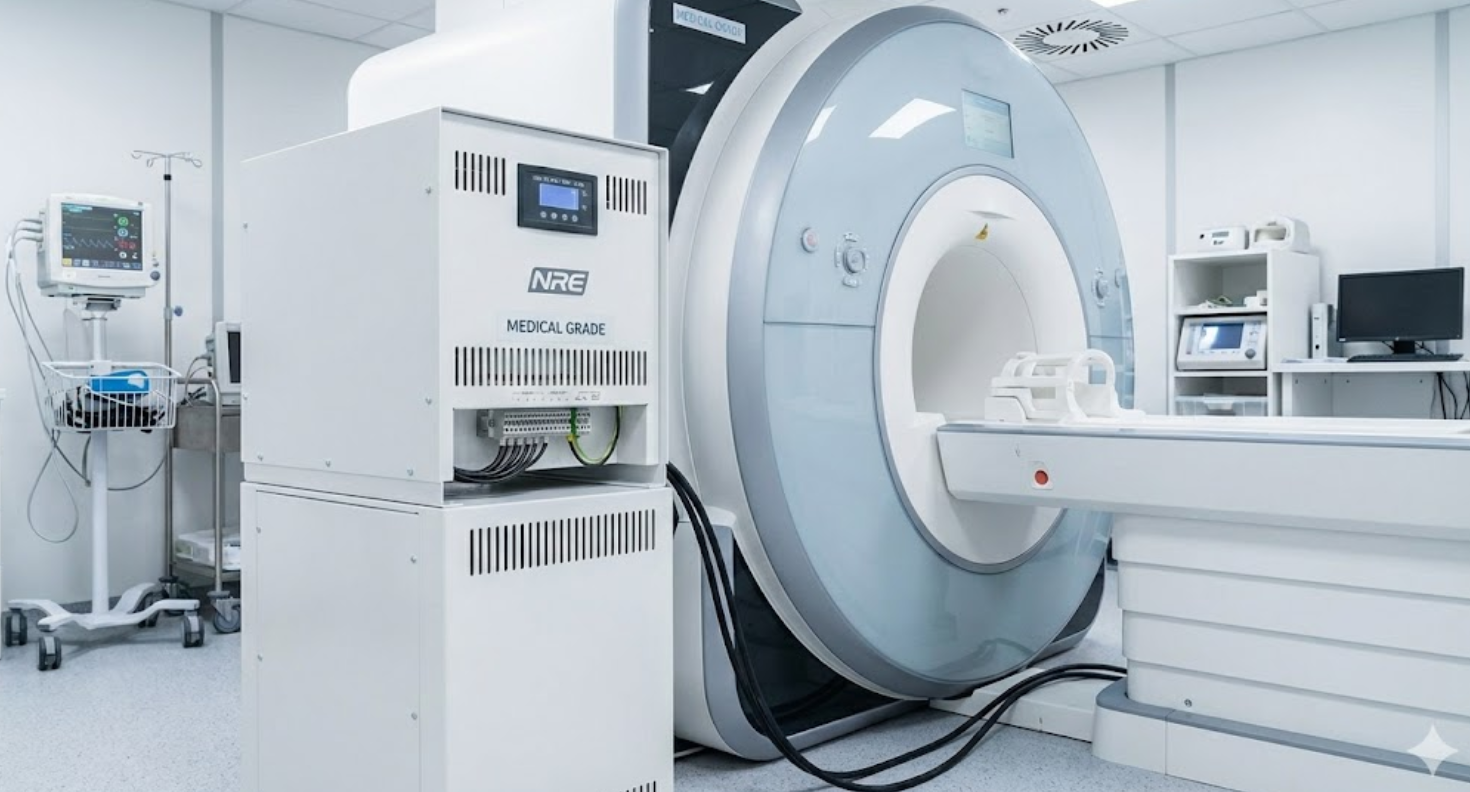
In hospitals, a "ground loop" current leakage can be fatal to a patient connected to heart monitors. The alternating current (AC) main supply must be strictly isolated.
Our Solution: NRE medical-grade transformers restrict leakage current to micro-ampere levels, ensuring patient safety even if the building ground fails.
2. Marine and Offshore (Corrosion & Safety)
Boats suffer from "galvanic corrosion" when connected to shore power. The metal hull acts as a ground, eating away the zinc anodes.
The Fix: Installing an ISO transformer on the dock power line breaks this electrical bond, saving your hull from corrosion.
3. Industrial Control & UPS
Variable Frequency Drives (VFDs) and large motors create "dirty" power with lots of harmonic noise. This noise travels back up the line and fries server power supplies.
NRE Spec: Our 3-phase isolation transformers filters this noise, protecting your upstream PLCs and computers.
Technical Specs: What to Look For (The NRE Standard)
When you are reading a datasheet or sending us a Request for Quote, ignore the marketing fluff and look at these numbers.
| Specification | Standard Market Offer | NRE Factory Standard | Why It Matters |
|---|---|---|---|
| Dielectric Strength | 1500V / 1 min | 2500V / 1 min | Higher voltage tolerance means better safety surge protection. |
| Insulation Class | Class B (130°C) | Class F (155°C) or H (180°C) | Higher heat tolerance = longer lifespan under heavy load. |
| Efficiency | 90-92% | ≥ 96% (Three-Phase) | Wasted energy becomes heat. Higher efficiency saves electricity bills. |
| Noise Attenuation | -40dB | -60dB to -80dB (with Shield) | Critical for audio and medical equipment. |
Note on Efficiency
Don't settle for low efficiency. Our three-phase units (10kVA - 1000kVA) are designed with high-grade silicon steel cores to hit ≥96% efficiency. This might cost 5% more upfront but saves 20% in energy costs over 5 years.
💰 Factory Calculation: The Real Cost of "Cheap" Transformers
Many procurement managers focus on the sticker price. But in a factory running 24/7, efficiency is where the money goes.
Let's compare a standard market isolation transformer (92% efficiency) vs. an NRE High-Efficiency unit (96%) for a typical 500kVA industrial load:
- Standard Unit Loss (8%): 40kW wasted power.
- NRE Unit Loss (4%): 20kW wasted power.
- Difference: 20kW saved every hour.
- Annual Savings: 20kW × 24h × 365d × $0.12/kWh = $21,024 per year!
Result: Over 5 years, the NRE unit saves you over $100,000 in electricity bills—paying for the transformer difference 5 times over. This is the definition of value engineering.
How to Test Your ISO Transformer (Factory Checklist)
Before you install your unit, you can perform these simple tests with a multimeter to verify it is truly isolated:
- Continuity Test:
- Set your multimeter to standard Ohm/Continuity mode.
- Touch one probe to an Input Terminal (Primary) and the other to an Output Terminal (Secondary).
- Result: It should read "OL" (Open Loop) or infinite resistance. If it beeps, it is NOT an isolation transformer.
- Ground to Neutral Test:
- Check impedance between the Output Neutral and the Earth Ground.
- In a floating system, this should be open.
Always refer to IEEE Standards for rigorous testing protocols.
Common Myths vs. Factory Truths
Myth 1: "ISO Transformers regulate voltage."
Truth: No. A standard 1:1 isolation transformer puts out exactly what you put in (minus small losses). It does not provide active voltage regulation. If your input voltage fluctuates, the output will too. For voltage correction, you need a Voltage Regulator plus an isolation transformer.
Myth 2: "They convert 50Hz to 60Hz."
Truth: Impossible. Transformers are passive magnetic devices; they cannot change frequency. You need a Frequency Converter for that.
Myth 3: "All dry type transformers are isolation transformers."
Truth: Usually yes, but not always. Some cheap auto-type dry transformers exist. Always specify "Separate Winding" or "Galvanic Isolation" when ordering.
Conclusion: Safety is Not Optional
Whether you are protecting a $500,000 MRI machine or a $50,000 yacht, the iso transformer is the cheapest insurance policy you can buy.
At NRE, we build these workhorses to last 20+ years. From compact 6-output units to massive 1000kVA industrial cabinets, every unit is tested to ensure that "isolated" truly means isolated.
Need help sizing your unit?
👉 Contact our Engineering Team for a free spec review and efficiency calculation.
FAQ
Can I use an isolation transformer as a step-up/step-down transformer?
Absolutely. While a 1:1 ratio is common for pure isolation, we customize the windings to step voltage up (e.g., 110V to 220V) or down while simultaneously providing isolation.
Do I need a single-phase or three-phase unit?
It depends on your load. For office equipment or medical devices, a single-phase unit (up to 10-20kVA) is standard. For industrial motors or whole-building protection, use a three-phase unit.
Comment