
Toroid Transformers: A Complete Guide to High-Efficiency Power
Sep 28,2025 | nretec
Engineers across medical, audio, industrial control, and data communications are prioritizing compact, high‑efficiency power components that reduce EMI and acoustic noise while improving thermal performance. Toroid transformers meet these needs with a geometry that minimizes losses and magnetic stray fields.
What Is a Toroid Transformer?
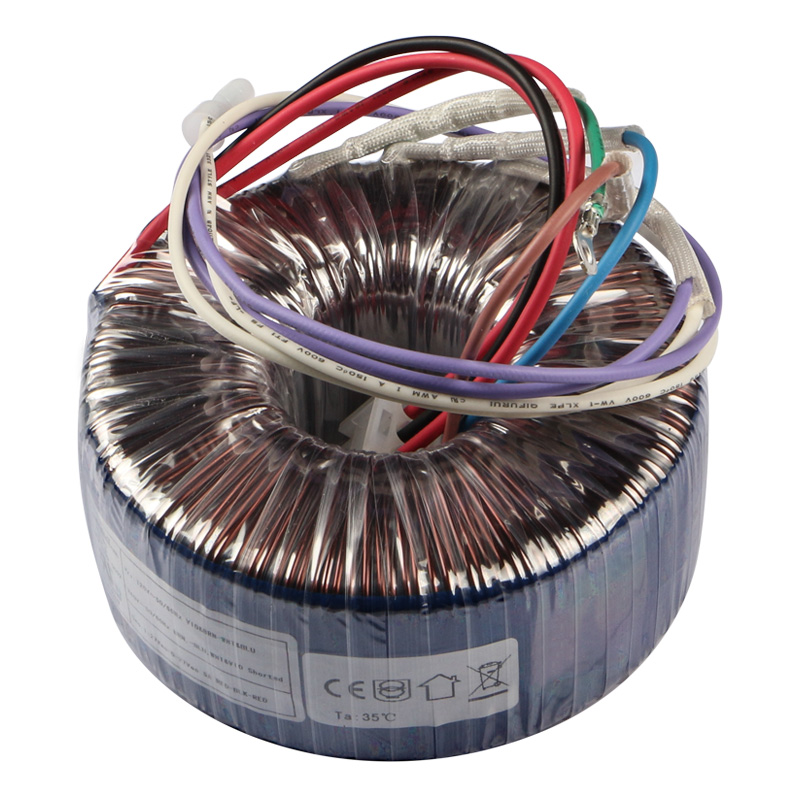
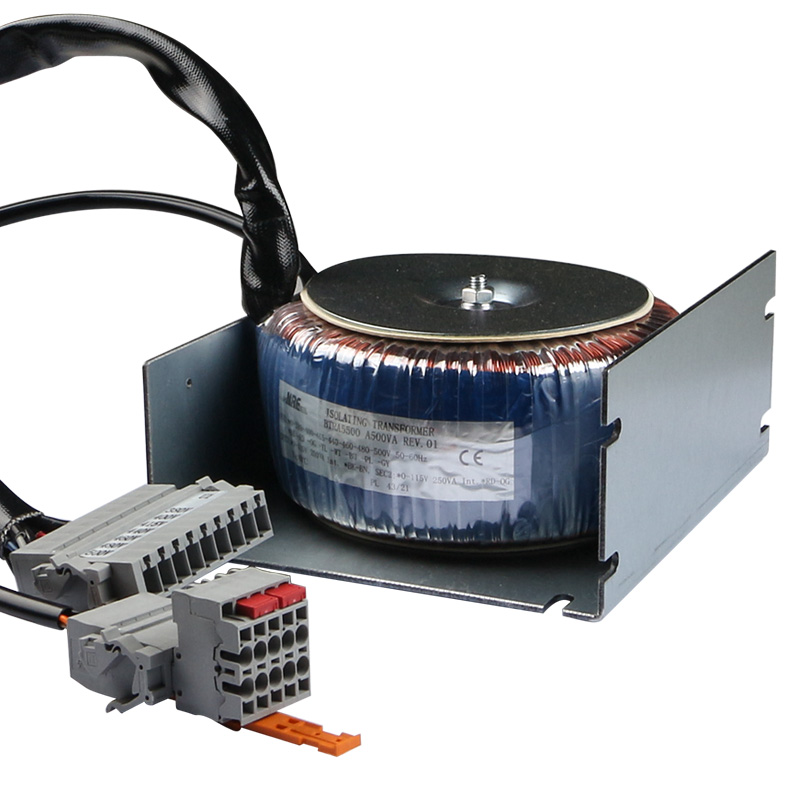
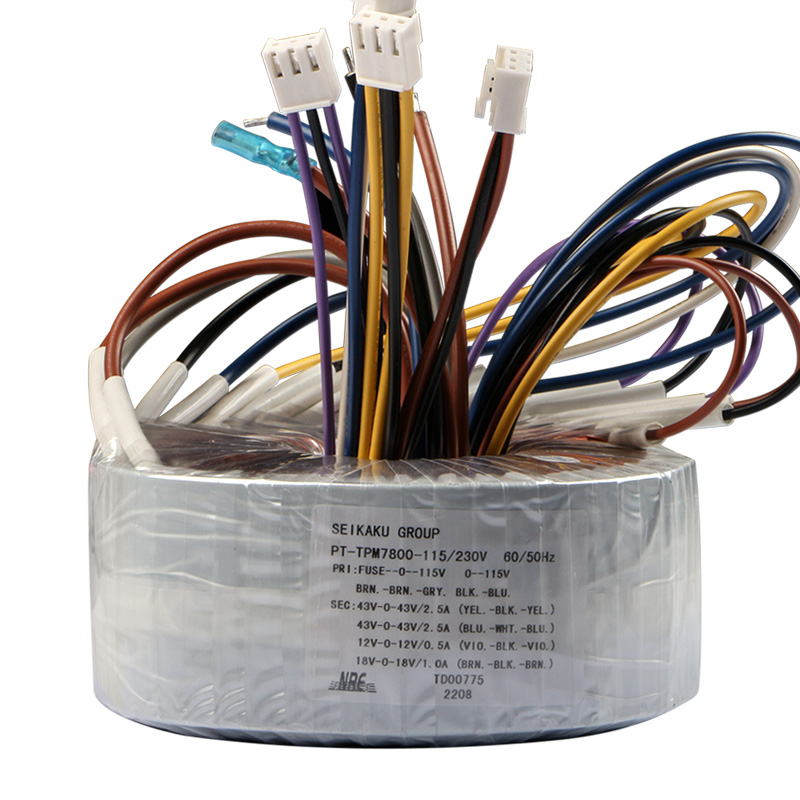
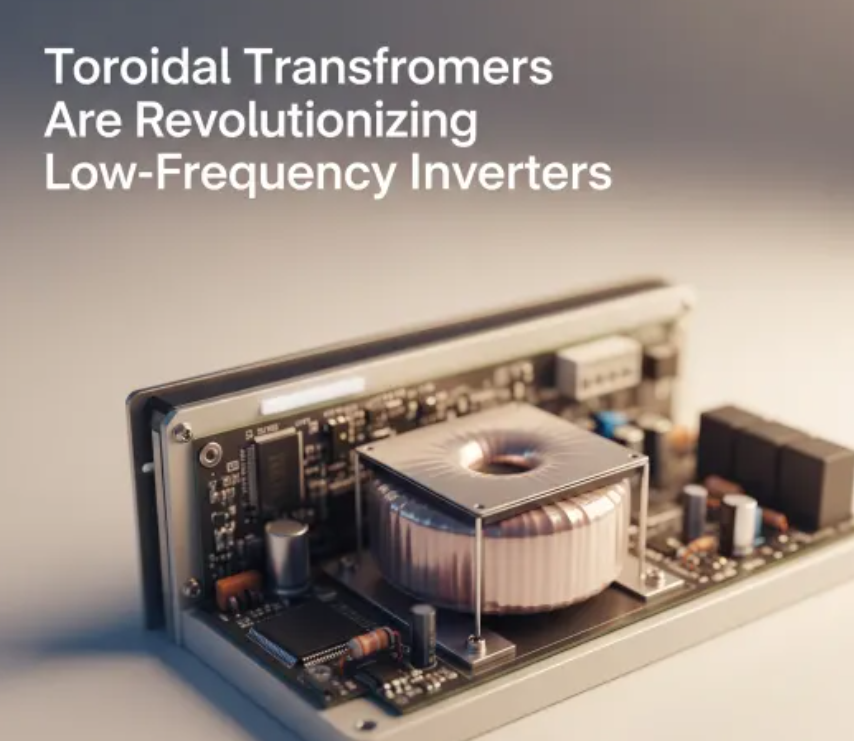
A toroid transformer uses a ring‑shaped core with primary and secondary windings distributed evenly around the circumference. The shorter mean turn length lowers copper loss, while the continuous magnetic path reduces leakage flux compared with laminated EI cores. This delivers smaller size, lighter weight, and quieter operation—advantages that matter in sensitive electronics and tight enclosures.
Key Advantages
- High efficiency and lower losses: Shorter winding length and a fully utilized magnetic path reduce copper and core loss, lowering temperature rise.
- Low stray magnetic field: The continuous core helps contain flux, cutting radiated interference into nearby circuits.
- Compact and lightweight: Ideal for space‑ and weight‑constrained systems.
- Quiet operation: Reduced mechanical hum benefits audio, lab, and medical environments.
- Practical note on inrush: Toroids can exhibit high magnetizing inrush at turn‑on—use slow‑blow fuses, time‑delay breakers, or soft‑start circuitry.
Typical Applications
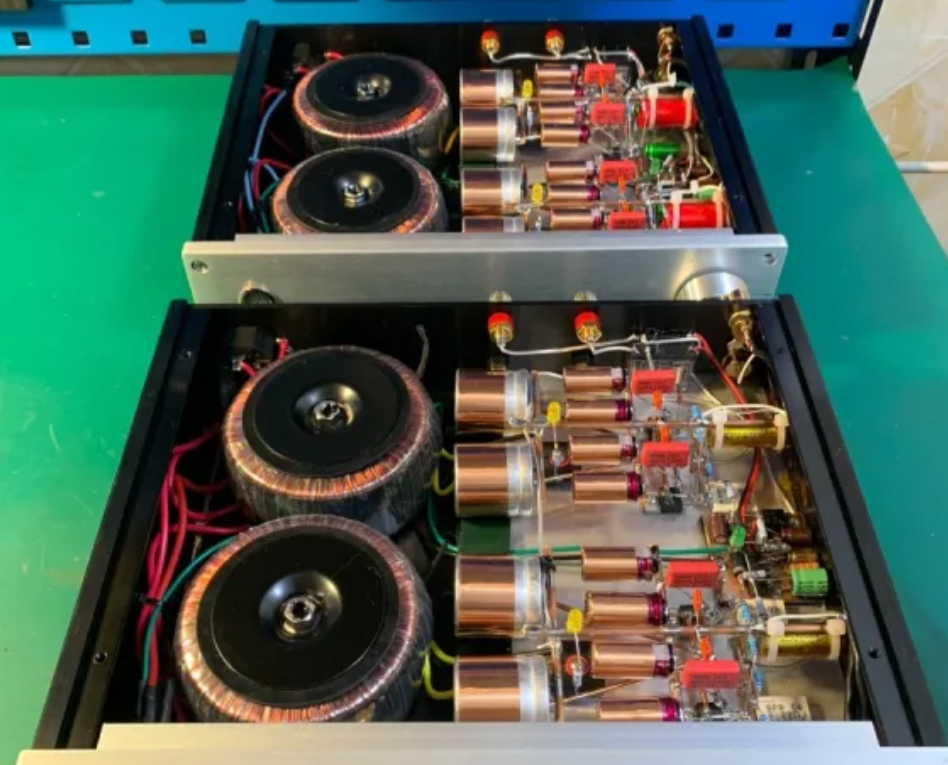
- Medical electronics and instruments requiring low leakage current and minimal acoustic noise
- Test and measurement systems
- Industrial control panels and factory automation
- Data communications and networking infrastructure
- Motor control systems and lighting
- Audio amplifiers and hi‑fi equipment, robotics, UPS, and avionics
How to Select the Right Toroid Transformer
- VA rating and load profile: Size for continuous or intermittent duty with headroom.
- Primary/secondary requirements: Confirm mains voltage/frequency; consider dual windings for series/parallel flexibility.
- Regulation, efficiency, and temperature rise: Set targets consistent with ambient conditions and enclosure design.
- EMI and shielding: Evaluate electrostatic shields and layout practices for sensitive equipment.
- Environmental requirements: Consider IP and moisture protection for demanding sites.
- Compliance and safety: Identify market‑specific safety and performance requirements before design freeze.
Manufacturer Spotlight: Why Engineers Choose NRE
NRE is a long‑established producer with extensive testing capabilities and large‑scale capacity, supporting both standard and custom toroidal power transformers. Engineers rely on its combination of manufacturing scale, lab infrastructure, global certifications, competitive pricing, and comprehensive service to accelerate projects from prototype to volume.
Engineering Considerations
- Inrush management: Use slow‑blow fuses or time‑delay breakers; consider NTCs or active soft‑start to limit magnetizing current.
- Thermal design: Provide airflow; use insulating pads and proper mounting torque; verify temperature rise in situ.
- Wiring best practices: Follow connection sheets; ensure correct series/parallel configuration and phasing; manage lead dress for EMI and safety.
- Noise mitigation: Decouple from chassis with pads; avoid rigid couplings that transmit vibration; isolate sensitive signal paths.
- Reliability validation: Conduct environmental and endurance testing across voltage, frequency, and ambient extremes.
Comparing Toroid vs. EI Transformers
- Choose toroids for high efficiency, low EMI, compact size, low hum, and clean magnetic behavior—ideal for medical, audio, and precision electronics.
- Choose EI cores when cost is paramount, inrush must be minimized without soft‑start, or mechanical constraints favor laminated cores.
- Decision lens: Sensitivity of the application, size/weight constraints, thermal targets, EMI limits, and required certifications.
Procurement: From Specification to Delivery
- Define requirements: VA, input/output voltages and frequencies, ambient range, insulation class, creepage/clearance, certifications, and test plans.
- Evaluate candidates: Request samples, test reports, compliance documentation, and review quality systems.
- Plan logistics: Align prototype timing, forecast volumes, and ramp schedules with supplier capacity and lead times.
Frequently Asked Questions
Why do toroidal transformers have high inrush current, and how do I manage it?
The low primary DC resistance and high core permeability can draw a large magnetizing current at switch‑on. Use slow‑blow fuses, time‑delay breakers, NTCs, or soft‑start circuits.
Do toroid transformers reduce audible hum in audio systems?
Yes. Their construction typically yields lower mechanical and magnetic noise, benefiting hi‑fi and studio environments.
How do I wire dual secondaries?
Series for higher voltage, parallel for higher current. Ensure correct phasing; follow the connection sheet to avoid short circuits.
Why are toroidal power transformers often more efficient than EI?
Shorter mean turn length and a continuous magnetic path reduce copper and core losses, improving overall efficiency and thermal behavior.
Expert and Authoritative Perspectives
- Audio engineering consensus on lower hum with toroids: Douglas Self notes that toroidal mains transformers can reduce audible hum and magnetic coupling in amplifier power supplies, supporting their use in high‑performance audio. Source: Audio Power Amplifier Design.
- Practical guidance on inrush and soft‑start: Rod Elliott discusses transformer inrush, nuisance fuse blowing, and soft‑start strategies for linear supplies, aligning with best practices listed above. Source: Elliott Sound Products.
- Medical design perspective on low leakage and isolation: IEC 60601‑1 establishes stringent limits for patient and operator protection, reinforcing the need for low leakage and robust isolation in medical power systems where toroids are commonly applied. Source: IEC 60601‑1 overview.
- EMC best practices relevant to transformer layout and shielding: Henry W. Ott provides authoritative guidance on grounding, shielding, and magnetic field control that complements toroid selection in sensitive equipment. Source: Electromagnetic Compatibility Engineering.
Conclusion
Toroid transformers deliver high efficiency, low EMI, compact size, and quiet operation—key advantages for modern electronic systems. When paired with the right selection criteria and validations, they enable reliable, compliant designs in demanding markets. If you need a trusted manufacturing partner, NRE combines large‑scale capacity, multi‑discipline testing, global certifications, competitive pricing, and robust engineering support to take you from prototype to production with confidence.
Comment