
Toroidal Transformer vs EI Transformer: Complete B2B Decision Guide 2026
Nov 04,2025 | nretec
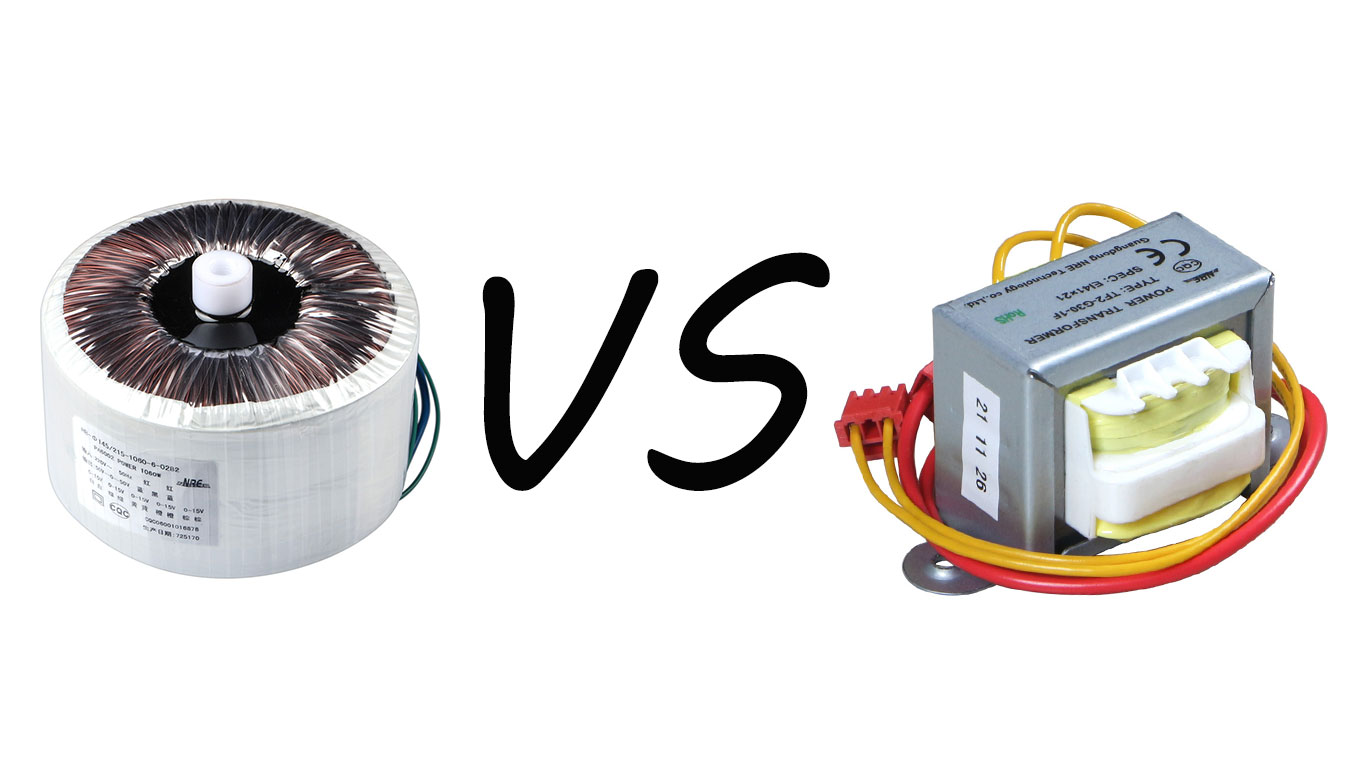 Expert comparison guide for procurement managers. Efficiency analysis, cost breakdown, and recommendations for smart transformer selection.
The Critical Choice: Why This Decision Matters
Every procurement manager faces this dilemma: Choose the wrong transformer, and you're looking at 20-30% higher operational costs, potential equipment failures, and dissatisfied end users. Make the right choice, and you'll enjoy reliable performance, lower energy bills, and peace of mind.
The real cost impact isn't just the initial purchase price – it's the cumulative effect of efficiency losses, maintenance requirements, and potential downtime over the equipment's lifespan. For most B2B applications, this difference amounts to thousands of dollars annually.
Quick reality check: In the transformer industry, approximately 60% of procurement decisions are made without comprehensive cost-benefit analysis. This guide changes that approach by providing a data-driven framework for transformer selection that balances performance, cost, and long-term reliability.
From Our 31 Years of Experience
Real Case: GE Power Supply Project (2023)
GE needed 5,000 transformers for a new power supply device, but EI transformers were too large. Our toroidal transformer solution:
- 45% volume reduction - freed up critical layout space
- 96% efficiency improvement - 8% better than EI transformers
- 18% total cost reduction - despite higher unit price, lower system costs
- GE feedback: "Toroidal transformers are perfect fit," end customers highly satisfied
Other Examples:
- Medical device manufacturer: Saved $15,000 upfront but incurred $50,000 in annual energy costs
- Audio company: Warranty rate decreased 40%, customer satisfaction increased 25%
These aren't isolated cases – they represent the real-world impact of transformer selection decisions. With our 100 professional engineers and 80+ R&D specialists, we've developed insights from thousands of actual projects, not theoretical knowledge.
Efficiency Performance Deep Dive
The Numbers Don't Lie: Efficiency Comparison
Why This Efficiency Gap Exists
The circular design of toroidal transformers creates a shorter magnetic path with fewer gaps, minimizing flux leakage and reducing core losses. The uniform winding distribution ensures optimal magnetic coupling, while the grain-oriented silicon steel core exhibits superior permeability compared to the laminated EI cores.
For Procurement Engineers
Toroidal designs typically achieve better voltage regulation (<3% vs 5-8% for EI types), lower magnetizing current, and reduced harmonic distortion in the output voltage. These technical advantages translate directly into operational efficiencies.
Operating Cost Analysis
Let's break down the financial impact with a practical example:
5kVA Transformer
5kVA Transformer
For industrial facilities with 50+ transformers: This represents $35,000+ in savings over five years – enough to fund additional equipment upgrades or improve your bottom line.
Physical Characteristics Comparison
| Feature | Toroidal Transformer | EI Transformer | Advantage |
|---|---|---|---|
| Volume | 50% less volume | Standard volume | Toroidal |
| Weight | 40-50% lighter | Standard weight | Toroidal |
| Mounting | Single bolt (3kVA max) | Multiple bolts required | Toroidal |
| Installation | 15-20 minutes faster | Standard time | Toroidal |
EMI and Noise Analysis
Electromagnetic Interference
Why This Matters for B2B Applications
- Medical Equipment: FDA compliance requirements, patient safety near sensitive monitoring equipment
- Audio Equipment: Hum elimination in high-end systems, ultra-low noise requirements
- Industrial Control: Reliable signal-critical applications
Total Cost of Ownership Analysis
Initial Purchase Cost Breakdown
| Power Rating | Toroidal | EI | Price Difference |
|---|---|---|---|
| <1kVA | 15-25% premium | Base price | Toroidal higher |
| 1-5kVA | 10-20% premium | Base price | Toroidal higher |
| >5kVA | 25-40% premium | Base price | Toroidal higher |
ROI Calculation (5kVA Example)
| Cost Factor | Toroidal | EI | Difference |
|---|---|---|---|
| Initial Cost | $450 | $350 | +$100 |
| 5-Year Energy | $6,000 | $6,700 | -$700 |
| Total 5-Year | $6,450 | $7,050 | -$850 |
Application Scenario Matching Guide
Toroidal Transformers: Optimal Applications
- Medical Equipment: Portable devices, bedside equipment, imaging systems
- Audio Systems: Rack-mounted equipment, high-end audio, recording studios
- Industrial Control: Space-constrained enclosures, automation systems
- Telecommunications: Data centers, network equipment
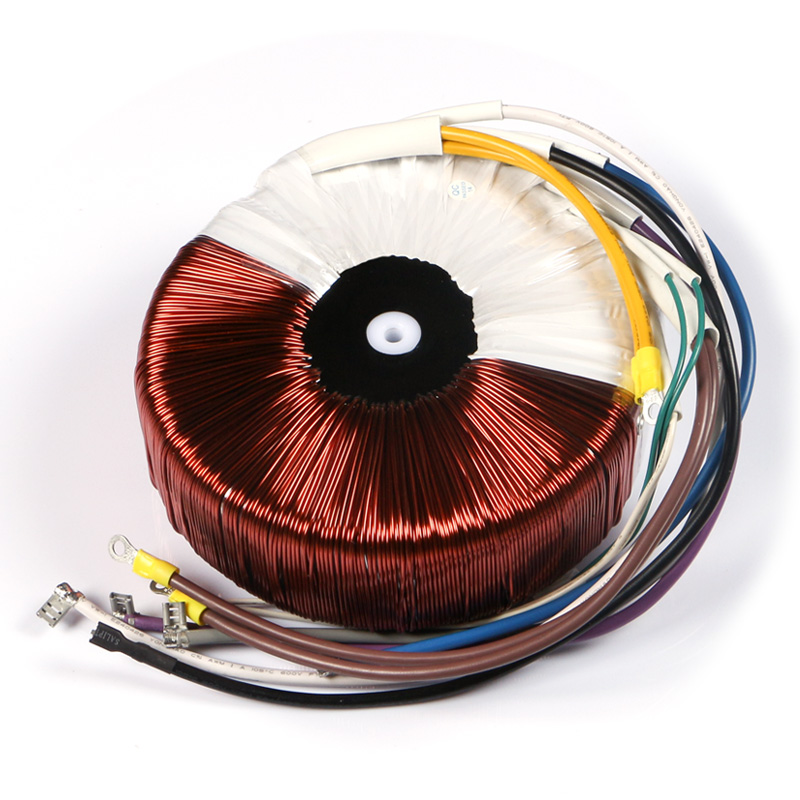
For specific space-optimized solutions, explore our toroidal transformer collection featuring compact designs for critical applications.
EI Transformers: When They Make Sense
- Heavy Industrial: Power distribution, motor control centers
- Cost-Sensitive: Mass-market applications, standard equipment
- Harsh Environments: Rough industrial conditions, high-current applications
- Tube Audio Applications: EI transformers have unique sonic characteristics that significantly influence tube amplifier sound quality, making them irreplaceable in audiophile and professional audio applications where specific tonal qualities are desired
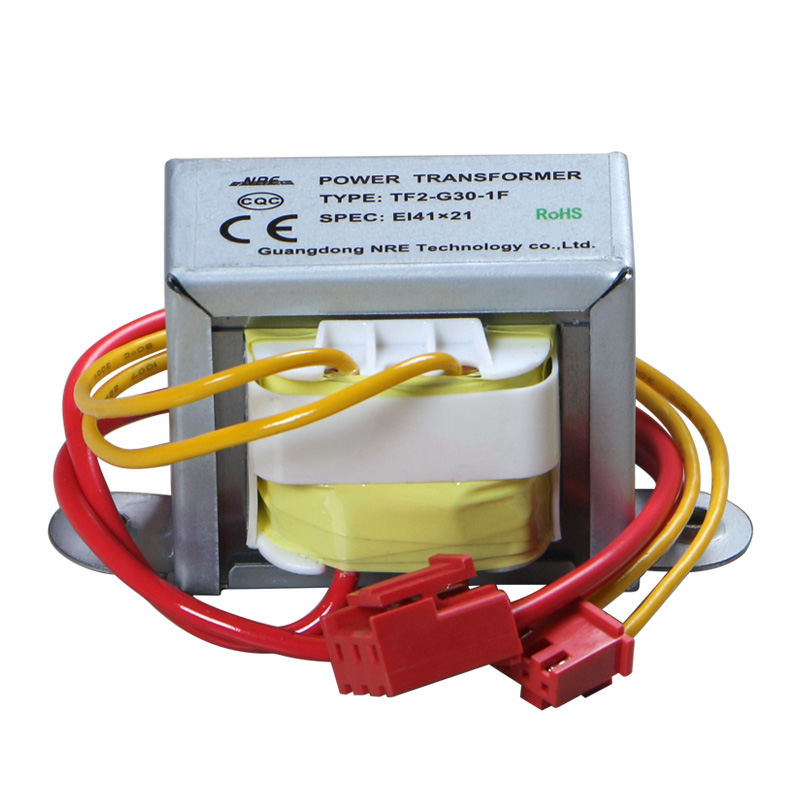
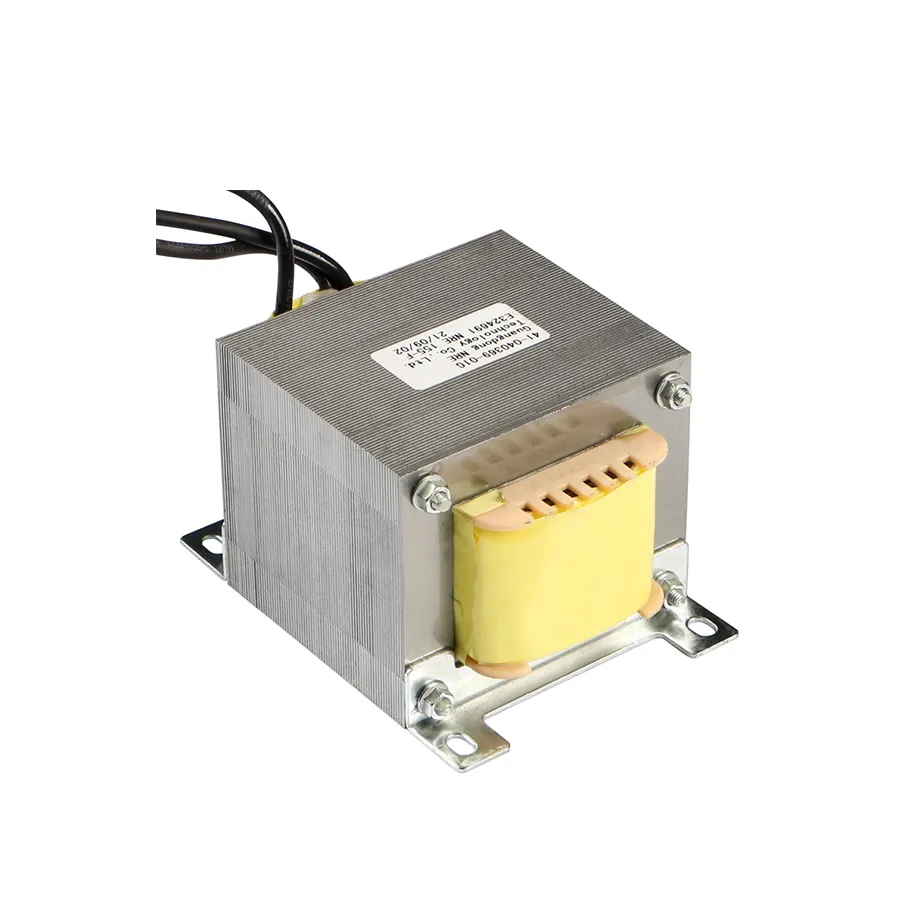
For cost-effective standard solutions, browse our EI transformer collection offering reliable performance for industrial and commercial applications.
Working with NRE: Your Partner in Transformer Selection
31 Years of Manufacturing Excellence
As a leading transformer manufacturer with our 82,700-square-meter manufacturing facility and 700+ employees including 100 professional engineering and technical personnel, we don't just sell transformers – we provide comprehensive power solutions that optimize your total cost of ownership. For detailed specifications and custom requirements, explore our complete custom toroidal transformer guide.
Industry-Leading Certifications
- ISO 9001:2000 Quality Management System Certification
- ISO 14001:2004 Environment Management System Certification
- Product Safety Certifications: UL (USA), CE (Europe), TUV (Germany), VDE (Germany)
- Additional Certifications: CQC (China), SGS (Switzerland)
Global Supply Chain Reliability
Annual production capacity of 6 million toroidal transformers and 30 million EI transformers. We've earned the trust of renowned global brands including GE, Bosch, Harman audio, Panasonic, Philips, YAMAHA, Santak, SMA, Behringer, Schneider, Eton, Hivi, Midea, Gree, PN, Paulmann, and EGLO, serving markets across North America, Europe, and Southeast Asia.
Ready to Make the Optimal Transformer Selection?
🔥 Limited-Time Offer
Free efficiency analysis and ROI calculation for inquiries received before January 31, 2026. Save $1,500 in consultation fees.
Mention code: TRANSFORMER2025
Contact NRE's technical team for a comprehensive consultation and customized recommendation based on your specific requirements.
Frequently Asked Questions (FAQ)
Q: How do I determine if a toroidal transformer is worth the higher initial cost?
A: Calculate your 5-year total cost of ownership including energy savings, reduced cooling costs, and space savings. Most applications see ROI within 18-36 months.
Q: Can EI transformers be retrofitted with toroidal transformers?
A: Yes, in most cases. However, mounting methods and electrical connections may need adaptation. Our engineering team can evaluate your specific retrofit requirements.
Q: What certifications should I look for when procuring transformers internationally?
A: Essential certifications include ISO 9001 (quality), UL/CE (safety), IEC standards (performance), and industry-specific certifications like medical or aerospace standards.
Q: How do environmental factors affect transformer selection?
A: Consider temperature ranges, humidity, vibration, and altitude. Toroidal transformers generally perform better in harsh environments due to their sealed construction and superior heat dissipation.
Q: What's the typical lead time for custom transformer orders?
A: Standard specifications: 4-6 weeks. Custom designs: 4-7 weeks including prototype validation. Express options available for urgent requirements.
Q: How do I ensure compatibility with existing electrical systems?
A: Provide detailed specifications including voltage, frequency, load characteristics, and regulatory requirements. Our team performs compatibility analysis for all custom orders.
Authoritative Resources
Related NRE Resources
Comment