
What Is a Custom Toroidal Transformer and How Does It Work
May 22,2026 | nretec
Custom Toroidal Transformers: Complete Guide
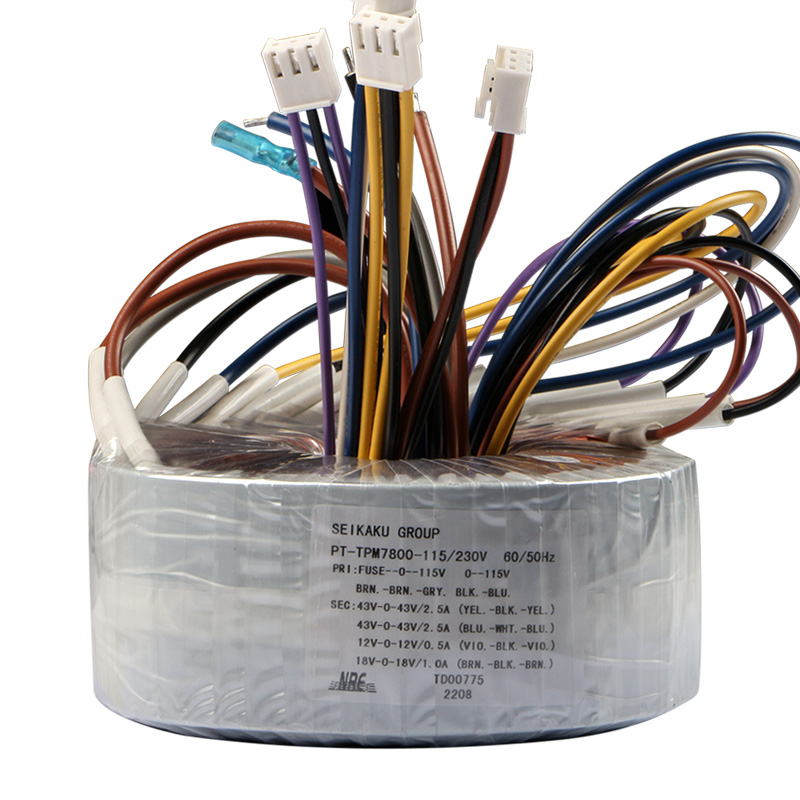
A custom toroidal transformer has a ring-shaped core. It moves electrical energy between circuits. Engineers make each one for special needs. This makes it good for unique machines. The toroidal shape helps cut down electrical noise. It also makes the transformer work better. Many industries use these transformers, including:
- Medical devices like MRI machines and CAT scan equipment
- Industrial and manufacturing systems for machine tools and control panels
- Renewable energy setups such as solar inverters
- Audio equipment for clear sound
The custom design lets each transformer fit its job exactly.
Key Takeaways
- Custom toroidal transformers have a core shaped like a ring. This shape keeps magnetic fields inside. It helps lower noise and saves energy.
- Engineers make these transformers for special needs. They change the size, voltage, and power for each machine or space.
- The toroidal shape and careful winding help stop interference. They also lower heat and power loss. This makes the transformers work well and stay quiet.
- These transformers are smaller and lighter than normal ones. They are also more reliable. This makes them great for medical, audio, and industrial tools.
- Custom transformers give safe and steady power to each device. This helps stop failures and makes things work better in sensitive places.
What Is a Custom Toroidal Transformer
A custom toroidal transformer is made for special uses. It has a ring-shaped core called a toroidal or doughnut core. This shape helps it work quietly and saves energy. Engineers design each one for a certain job. It can power things like medical devices, audio gear, or factory machines. These transformers are special because they match the needed voltage, power, and size.
Toroidal Core Shape
The toroidal core is round and forms a closed loop. This shape keeps most of the magnetic field inside. Because of this, there is very little leakage flux. The closed path gives many good things:
- The magnetic field stays inside, so there is less electromagnetic interference (EMI).
- The transformer works with less noise.
- Its small shape means shorter windings, which makes it more efficient.
- The core gives a steady magnetic field, so voltage stays steady.
- The design uses fewer materials, so it is lighter and smaller.
Note: The toroidal core shape is great for sensitive equipment. It works well in medical devices and audio systems where low noise and high efficiency are important.
Custom Design Features
A custom toroidal transformer has features that regular ones do not. Engineers can change the size, voltage, and power to fit special needs. Some main custom features are:
- Special primary and secondary voltages for different devices
- Higher power output, up to 15 kVA for single-phase or 45 kVA for three-phase
- Better isolation voltages, like 4 kV or more between windings
- Special wire ends and harnesses for easy setup
- Custom mounting and cases for small spaces
- Meets different insulation classes, such as Class A, B, F, or H
Custom toroidal transformers can have thermal fuses and mounting parts. Some kits let users wind their own secondary coils for more options. These features help the transformer fit its job perfectly.
Customization matters because it lets the transformer meet exact needs. In factories or hospitals, the right design keeps things safe, reliable, and working well. Good manufacturers use their skills to make solutions for tough or sensitive places.
How It Works
Electromagnetic Induction
A custom toroidal transformer uses electromagnetic induction to work. When AC flows in the primary coil, it makes a magnetic field inside the core. This field changes as the AC changes. The changing field makes a current in the secondary coil. Both coils are wrapped around the ring-shaped core. This keeps the magnetic field inside.
Faraday's Law explains how this works. The law says a changing magnetic field in a wire makes an EMF. In a toroidal transformer, the primary coil makes a magnetic field in the core. The secondary coil crosses these lines and creates a new current. The AC input frequency decides how fast the field changes. Engineers pick core materials like laminated iron for low frequencies. They use ferrite for high frequencies.
The toroidal core shape keeps the magnetic field inside. This design stops magnetic flux from leaking and lowers EMI. It also helps the transformer work better.
The way the wire is wrapped matters too. Engineers wrap the wire evenly around the round core. This keeps the magnetic flux balanced. It stops hot spots and energy loss. Tight winding keeps the field inside the core. This lowers stray fields and noise. The compact winding also cuts down on vibrations. This makes the transformer more reliable.
- The toroidal design cuts core losses and keeps magnetic coupling tight.
- Magnetic flux stays inside the core, so there is less leakage and EMI.
- Even winding stops imbalances and hot spots, making it work better.
Power Transfer
Power moves from the primary coil to the secondary coil. The AC in the primary coil makes a changing magnetic field. This field creates voltage in the secondary coil. The voltage and current in the secondary coil match the AC frequency.
The round core shape lets wires be shorter and have less resistance. This design lowers copper losses. Engineers use a bank winding method to spread wires evenly. This lowers voltage differences and leakage inductance. Good insulation between the core and wires stops short circuits. It also helps the transformer last longer.
| Feature | Benefit |
|---|---|
| Circular core shape | Shorter wires, less resistance |
| Bank winding technique | Even winding, less leakage inductance |
| Proper insulation | Stops short circuits, longer life |
| Balanced loss distribution | Better heat flow, less power loss |
Power loss spreads out evenly in the transformer. This stops hot spots that can get too hot. Even heat lets it cool by moving heat out in different ways. This keeps the transformer cool and saves power.
Tip: Even heat flow helps the transformer last longer and work better.
A custom toroidal transformer uses these features to move power well and stay quiet. The closed magnetic path and careful winding make it great for medical, audio, and industrial equipment.
Design & Construction
Core Materials
Engineers pick core materials for each custom toroidal transformer. The core material changes how well the transformer works. It affects how much energy is lost and what the transformer can do. The table below lists common core materials and their uses:
| Core Material | Structure/Composition | Typical Applications | Reasons for Use |
|---|---|---|---|
| Silicon Steel | Laminated thin strips of silicon steel | Power distribution, motors, appliances | Low core losses, high magnetic permeability, good efficiency |
| Ferrite | Ceramic compound of iron oxide and metals | High-frequency (telecom, audio, power supplies) | High permeability, low eddy current losses, stable at high temperatures |
| Amorphous | Non-crystalline alloy of iron, boron, silicon | Inverter systems, renewable energy, power supplies | High permeability, easy magnetization, minimizes energy losses |
| Powdered Iron | Compressed iron powder particles | Moderate frequency transformers, chokes, filters | Good magnetic properties, cost-effective, efficient at lower frequencies |
Each core material makes the transformer work in a different way. Silicon steel is good for power systems because it saves energy. Ferrite is best for high-frequency jobs. Amorphous metal helps save power by lowering energy loss. Powdered iron is a cheap choice for moderate frequencies.
The toroidal shape and the right core material help stop stray magnetic fields and electromagnetic interference (EMI). This design also helps heat move out, so the transformer stays cool and lasts longer.
Precision Winding
Precision winding changes how custom toroidal transformers work. Engineers use different winding methods for each job:
- Toroidal winding wraps wire tightly around the ring core.
- Sector winding leaves some parts of the core unwound. This helps control leakage inductance and blocks high-frequency noise.
- Orthocyclic winding puts wires at different angles to make the coil better.
- Needle winding uses a needle to guide wire in many ways.
- Spiral and parallel winding let more current flow or save space.
- Wet winding covers wire with glue for better insulation.
- Thermal winding heats wire to make it fit and stick better.
Sector winding is great for cutting noise and saving energy. It helps sensitive devices like audio equipment by making signals clearer and lowering power loss. Advanced winding machines and tension controls keep wires even and stop them from tangling.
- Precision winding keeps magnetic flux inside the core and lowers EMI.
- It helps the transformer work better by saving energy.
- The small design lets the transformer give more power in less space.
- Even winding spreads heat out and stops hot spots.
- These things make the transformer quieter and more dependable.
Tip: Careful winding and the right core material help custom toroidal transformers give safe, efficient, and quiet power for many jobs.
Benefits
Efficiency & Size
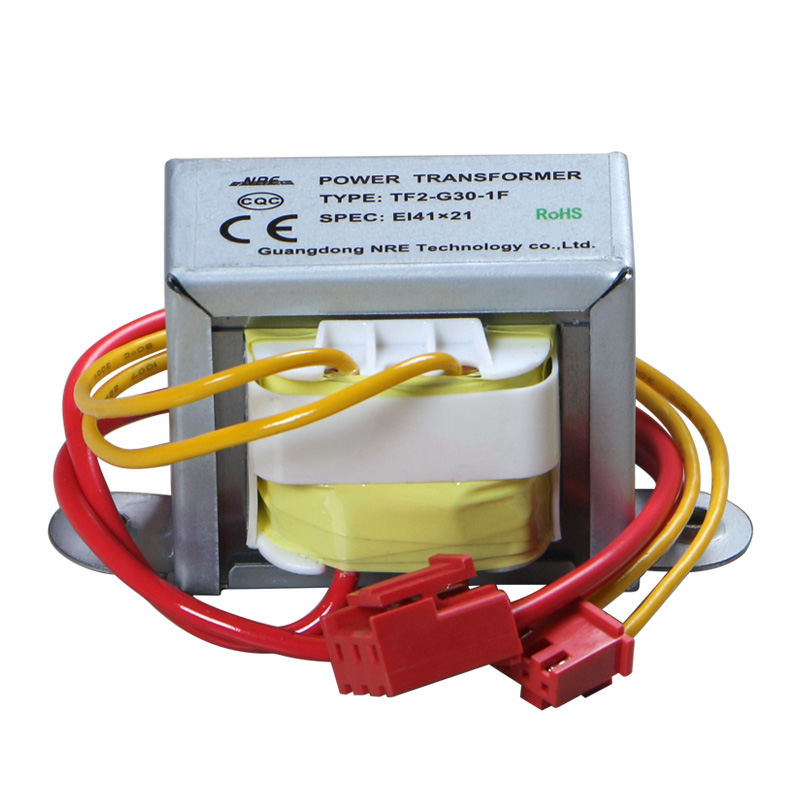
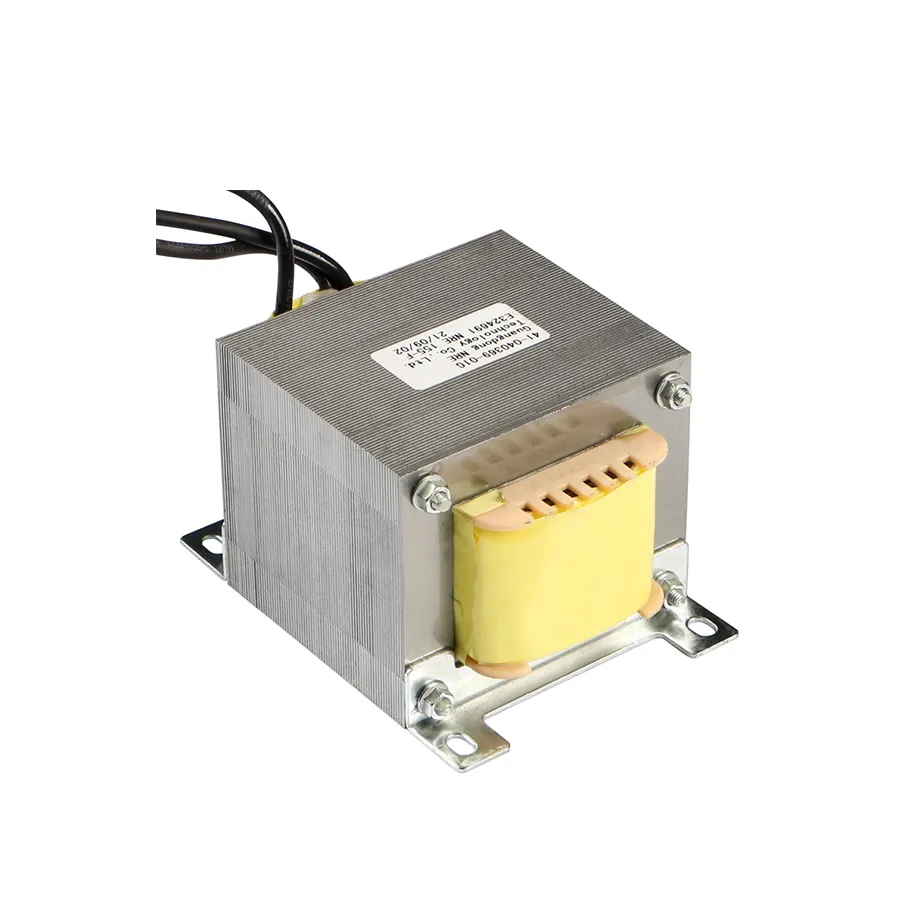
Custom toroidal transformers work very well and are small. Their round core shape has fewer gaps. This helps keep energy inside. Less energy is wasted, so less heat is made. Most custom toroidal transformers are 90% to 97% efficient. Regular EI core transformers are usually less than 90% efficient. The table below shows the differences:
| Feature | Toroidal Transformers | EI Core Transformers |
|---|---|---|
| Efficiency | 90-97% | Less than 90% |
| Size and Weight | Smaller, lighter | Larger, heavier |
| Off-load Power Consumption | About 1/16 as much | Higher |
| Stray Magnetic Fields | About 1/10 as much | Higher |
The donut shape saves space. It is easy to fit in small places. This helps in things like medical devices or airplanes. Being light also makes electronic systems weigh less. Many engineers pick toroidal transformers when space and weight are important.
Low EMI & Noise
Toroidal transformers make very little EMI and noise. Their ring core keeps the magnetic field inside. This lowers stray magnetic flux. Sensitive electronics are safer from interference. Audio equipment and medical machines work better with this feature.
- The winding covers the core and acts like a shield.
- Tight winding and no air gaps lower mechanical hum.
- These transformers run cooler and quieter than others.
Note: Toroidal transformers can cut mechanical hum by up to eight times. This makes them great for places where noise is a problem.
Reliability
Custom toroidal transformers are very reliable for important jobs. Makers build them to meet strict rules like UL 60601 and IEC 60601-1. They use good materials and test each one carefully. This helps them last longer and work well in tough spots.
Custom designs let engineers match the transformer to each project. This lowers the chance of failure and cuts down on repairs. In hospitals, factories, and other busy places, safe power is needed. Custom toroidal transformers help keep equipment working safely and smoothly.
Applications of Custom Toroidal Transformers
Electronics & Audio
Many electronic and audio devices need custom toroidal transformers for good power. These transformers are found in many products like audio amplifiers, speakers, mixing consoles, power supplies, medical equipment, and telecommunications systems. Audio systems get a lot of help from these transformers. They lower electromagnetic interference, so the sound is clearer and better. High-end audio brands use them for stronger bass, better sound detail, and less noise. Some digital-to-analog converters use these transformers for rich and clear sound. Their small size and quiet work make them great for sensitive electronics.
Note: Custom toroidal transformers are important in sound equipment because they make audio clearer and cut down on hum.
Industrial Uses
Factories need steady power to run well. Custom toroidal transformers power things like PLCs, motor drives, servos, machine vision systems, factory control panels, embedded control systems, and power conditioning for sensors. These transformers fit in crowded control panels because they are small and work well. They make very little electromagnetic interference, so sensitive devices stay safe. Their low inrush current stops sudden power surges that could hurt machines. Makers build them to meet strict safety rules, so they work well in tough places.
| Industrial Equipment | Benefit of Custom Toroidal Transformer |
|---|---|
| PLCs | Stable voltage, compact fit |
| Motor Drives | Low EMI, reliable operation |
| Machine Vision Systems | Clean power, less noise |
| Factory Control Panels | Easy installation, high efficiency |
Why Customization Matters
Every job needs different power. A custom toroidal transformer can match the exact voltage, current, and power needed. Engineers design them for special loads, heat control, and tight spaces. Customization also gives special insulation, moisture protection, and easy care. This makes sure they work well, even in hard places.
Tip: Customization helps companies stop downtime and keep things safe by giving power that fits their needs.
Regular transformers often cannot do what special machines need. Custom ones fit better, work better, and last longer. In places like ships, planes, and factories, custom transformers make sure power systems are safe and work well.
A toroidal transformer has a ring-shaped core. It moves power very well and makes little noise. This design helps save energy. The transformer is small and works well for a long time. Many industries use these transformers. They are found in medical, audio, and industrial equipment. These transformers meet strict safety rules and work well.
- The main benefits are good energy use, low shaking, and easy to install.
- Custom choices can match special voltages, sizes, and hard places.
- For special projects, engineers should pick custom solutions. This helps make sure the transformer fits and saves money over time.
FAQ
What makes a toroidal transformer different from a regular transformer?
A toroidal transformer has a ring-shaped core. This shape keeps the magnetic field inside. It works with less noise and saves energy. Regular transformers make more noise and waste more power.
Can engineers customize toroidal transformers for any voltage?
Engineers can make toroidal transformers for almost any voltage. They match the voltage, current, and power for each device. Custom designs help equipment stay safe and work well.
Why do audio systems use toroidal transformers?
Audio systems use toroidal transformers to lower electromagnetic interference. This helps make sound clear. The small shape fits easily in audio devices.
How long does a custom toroidal transformer last?
A custom toroidal transformer can last for many years. Good materials and smart design help it handle heat and wear. Regular tests make sure it works safely and well.
Are toroidal transformers safe for medical equipment?
Toroidal transformers follow strict safety rules. Engineers build them for medical devices like MRI machines. They give steady power and protect sensitive equipment from electrical noise.
Comment