
A Complete Guide to 3 Phase Transformer Wiring Diagrams for Beginners and Experts
Aug 27,2025 | nretec
3 Phase Transformer Wiring Diagram: Complete Guide
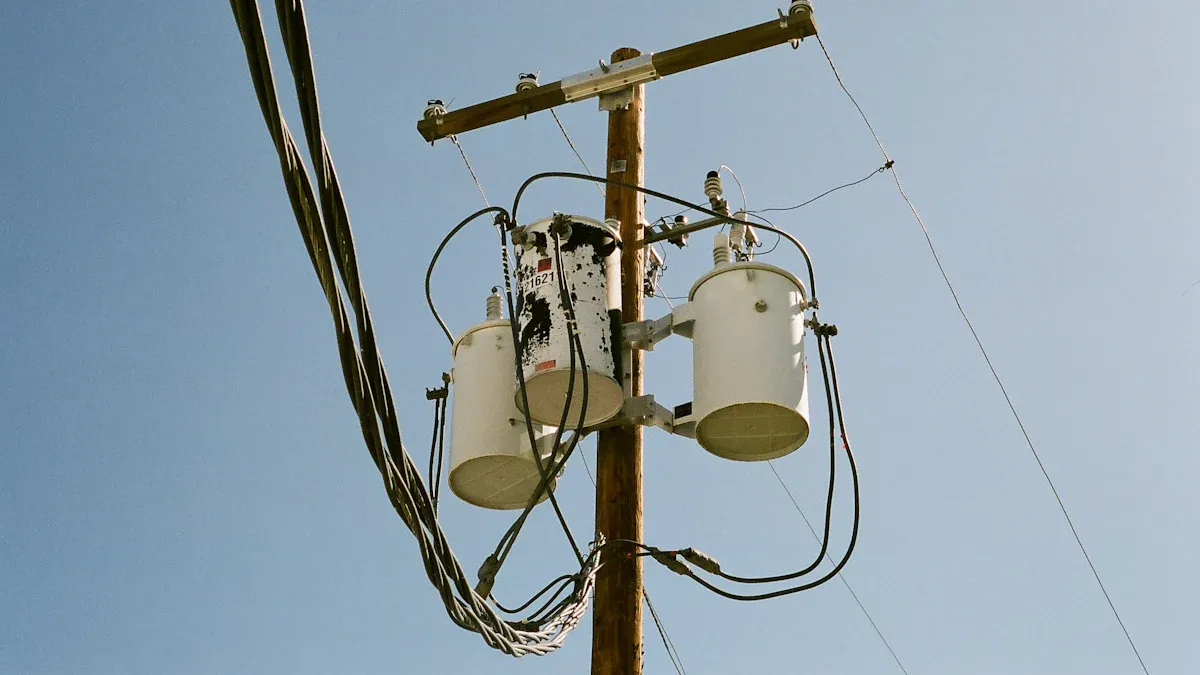
Image Source: unsplash
A 3 phase transformer wiring diagram tells you how to connect wires and terminals in a three-phase transformer. You look at this diagram to make sure you set up equipment safely and the right way. It helps you find mistakes, fix problems, and pick the best setup for what you need. When you use a clear diagram, you keep people and equipment safe from danger.
Key Takeaways
- You need to know words like operating voltages and phase relationships. These words help you read wiring diagrams the right way.
- Picking the correct wiring setup, like Delta or Wye, changes how your transformer works. It also affects how safe your system is.
- Always look at terminal markings like H1, H2, H3, X1, X2, and X3 before you start wiring. This helps you make the right connections and stops system problems.
- Check and take care of your transformer often. This helps you find problems like insulation breakdown or overloading early.
- Safety comes first. Wear the right gear and follow lockout/tagout steps when you work with high-voltage systems.
Basics
Key Terms
When you read a 3 phase transformer wiring diagram, you will see many terms. Some words might be hard to understand. Here are some that people often get wrong:
- Operating Voltages: In North America, you may see 220V, 230V, or 240V. These numbers all mean the same thing for most homes and businesses. They all point to the standard 240V level.
- Clean Power: This means the electricity is steady and smooth. There are not many changes or spikes in the voltage.
- Phase Relationship: In a three-phase system, each phase is spaced apart. The difference is measured in degrees. This spacing helps the system work well.
You will see these terms in most diagrams and manuals. Knowing what they mean helps you not make mistakes.
How 3 Phase Transformers Work
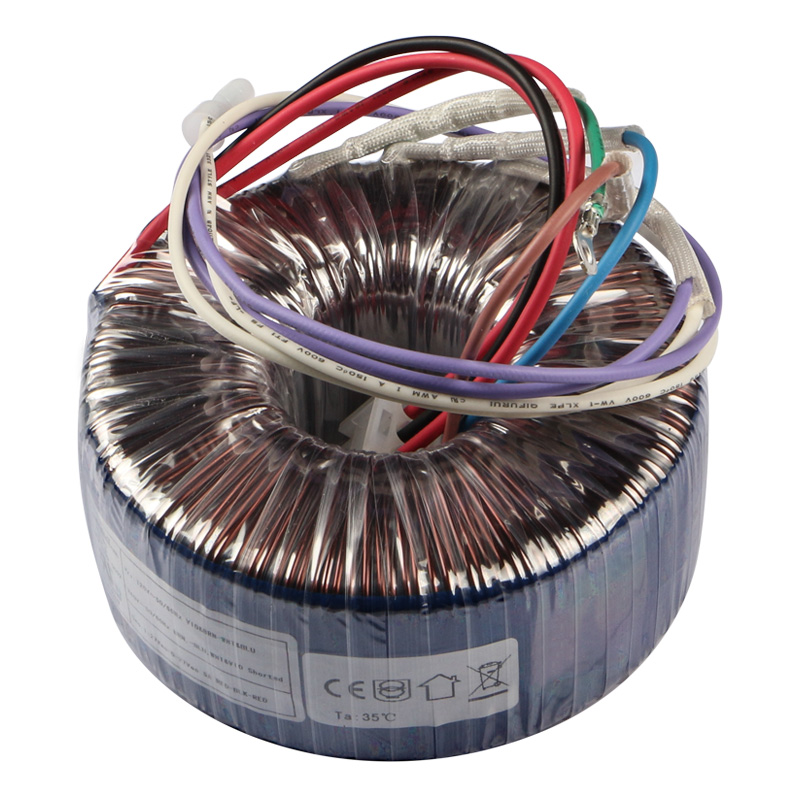
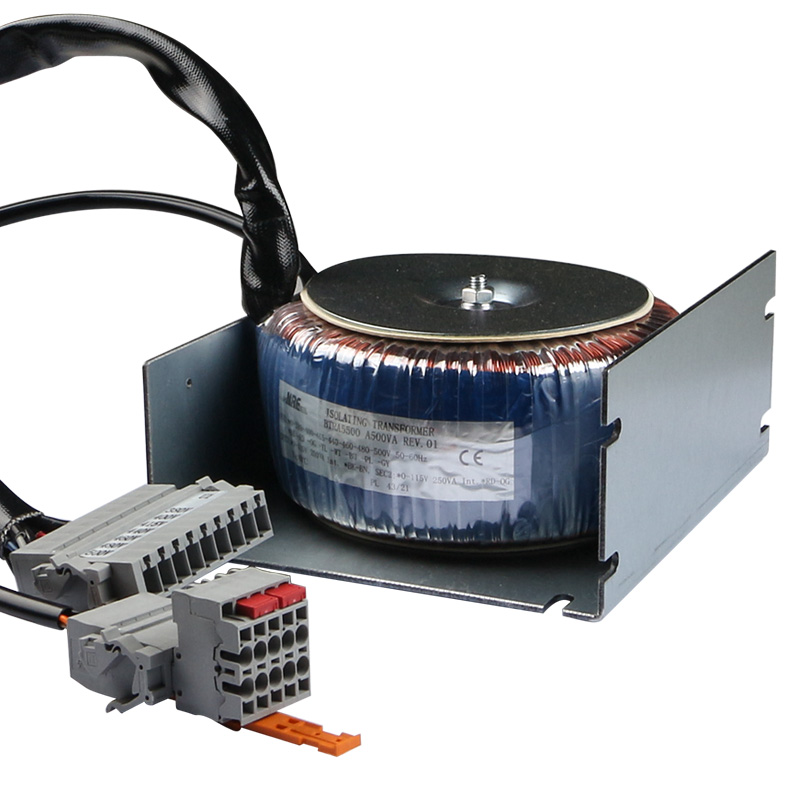
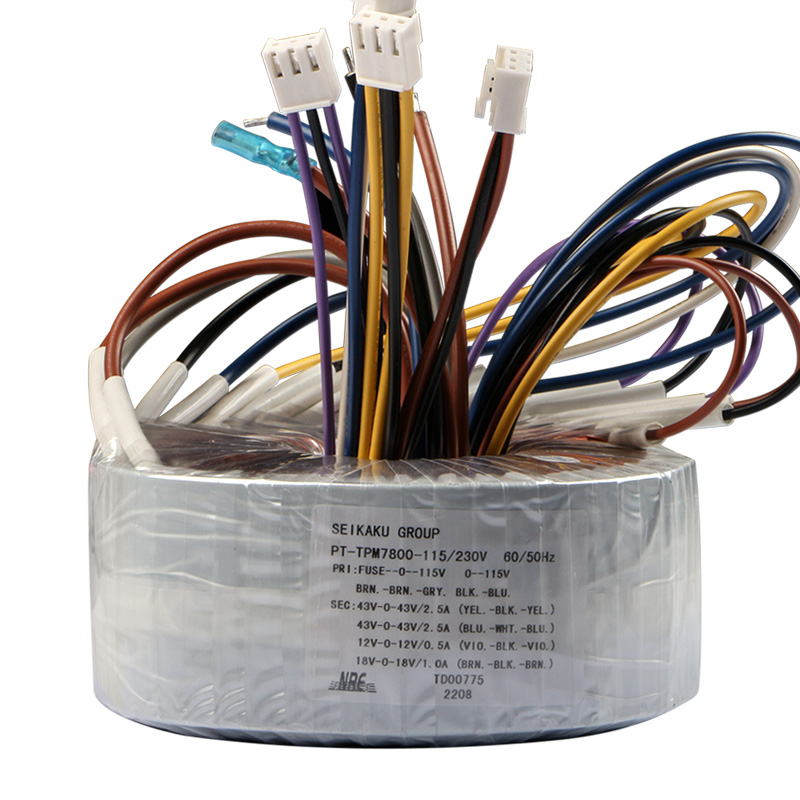
A 3 phase transformer changes power from one voltage to another. It does this for three wires, not just one. Each wire has its own current, but all three work together. The transformer uses coils and a core to move energy from the input side to the output side. This gives steady power for big machines and buildings. When you look at a 3 phase transformer wiring diagram, you see how each wire connects to the right place.
Applications
You can find three-phase transformers in many places. They help keep power steady and safe. Here is a table that shows where you might see them and what they do:
| Industry | Application Scenario |
|---|---|
| Medical Sector | Gives stable power for MRI machines, CT scanners, and operating rooms. This makes sure they work well. |
| Renewable Energy | Used in solar and wind farms to keep the grid steady and handle voltage changes. |
| Data Centers | Sends power to servers and cooling systems. This stops power surges. |
| Electric Vehicle Charging | Lowers grid voltage for fast charging stations. This helps smart networks use energy better. |
| Industrial Applications | Makes power more reliable and flexible by using more than one transformer together. |
You can use this information to see why these transformers are important in daily life and in big industries.
3 Phase Transformer Wiring Diagram
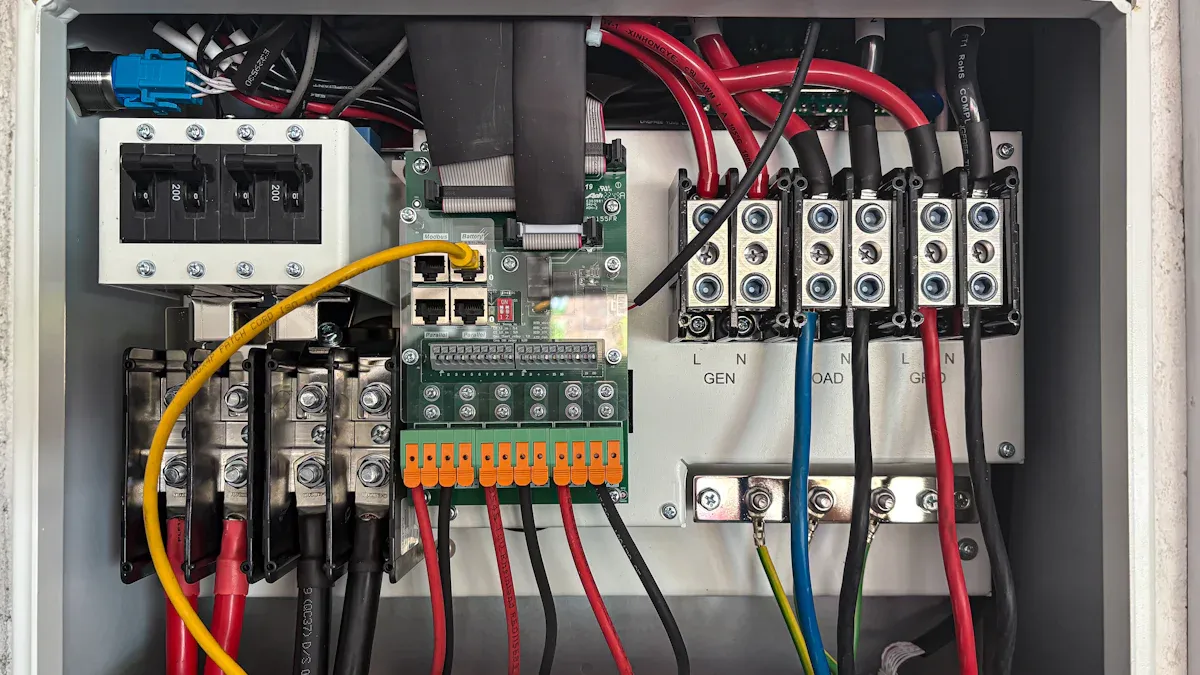
Image Source: pexels
A 3 phase transformer wiring diagram helps you see how to connect each part. You use this diagram to find out where wires, windings, and terminals go. The diagram shows how the transformer works and how to set it up for what you need. Every normal diagram has three primary windings and three secondary windings. These windings can be joined in different ways, like Delta or Wye. Delta connections do not have a neutral wire. Wye connections have a neutral wire. This lets you use both three-phase and single-phase loads. You pick the setup that fits your system best. Each type, like Delta-Delta, Wye-Wye, Delta-Wye, or Wye-Delta, has good and bad points. You need to look at the diagram to choose the best one for your job.
Diagram Symbols
You will see many symbols in a 3 phase transformer wiring diagram. These symbols help you know each part fast. Special symbols are used around the world for different transformers. Here is a table that lists some common symbols and what they mean:
| Transformer Type | Description |
|---|---|
| Current Transformer - 1 Core, 2 Windings | Shows a current transformer with one core and two windings. |
| Transformer 1P | Symbol for a single-phase transformer. |
| Transformer 1P - Variable Coupling | Single-phase transformer with variable coupling. |
| Transformer 3P - Star/Star Connection | Three-phase transformer with star/star connection. |
| Transformer 3P - Delta/Star Connection | Three-phase transformer with delta/star connection. |
| Transformer 3P - Star/Star/Delta Connection | Three-phase transformer with star/star/delta connection. |
| AutoTransformer 1P - Voltage Regulation | Autotransformer used for voltage regulation. |
You use these symbols to read and understand the diagram. Each symbol tells you what kind of transformer it is and how it connects to other parts.
Terminal Markings (H1, H2, H3, X1, X2, X3)
When you look at a 3 phase transformer wiring diagram, you see terminal markings like H1, H2, H3, X1, X2, and X3. These markings help you put wires in the right spots. You need to know what each marking means:
- H1, H2, H3 are the high voltage terminals.
- X1, X2, X3 are the low voltage terminals.
- You use these markings to make sure you connect everything right.
- If you mix up these terminals, the transformer will not work right.
You should always check the terminal markings before you start wiring. This keeps your system safe and working well.
Vector Groups
Vector groups are very important for how your transformer works. You see vector group codes in every 3 phase transformer wiring diagram. These codes tell you about the phase difference between the primary and secondary windings. You use vector groups to match transformers with your system and stop problems. If you pick the wrong vector group, you can have issues like uneven power flow, overheating, or trouble with relay coordination. Here is a table that shows some common problems and how vector groups affect them:
| Problem Area | Effect | Severity |
|---|---|---|
| Load Sharing | Uneven or reverse power flow | High |
| Circulating Current | Transformer overheating, loss of life | Critical |
| Relay Coordination | False or failed tripping | High |
| Grounding | Unclear or ineffective fault return path | High |
| Harmonics | Voltage waveform distortion | Moderate |
You should always check the vector group before you install or connect a transformer. This helps you avoid big mistakes and keeps your system working well.
Wiring Configurations
Delta Connection
Delta connections are used a lot in factories. In this setup, each winding connects to the next, making a triangle. There is no neutral wire in a Delta system. Delta is good when you need strong power for big machines. You can use Delta to run three-phase loads without a neutral. The system keeps working even if one phase stops. This makes Delta very reliable. People often pick Delta for workshops and factories.
Wye (Star) Connection
Wye, or Star, connections are used when you need a neutral wire. Each winding connects to a single point called the neutral. This setup gives you more choices. You can power both three-phase and single-phase devices. Wye works well in buildings and places with different voltages. It gives safer grounding and helps you find faults more easily.
Here is a table that shows how Wye and Delta are different:
| Configuration | Nodes | Neutral Connection | Voltage Distribution | Current Distribution |
|---|---|---|---|---|
| Wye (Star) | 4 | Yes | Phase voltage is lower than line voltage | Phase current is equal to line current |
| Delta | 3 | No | Phase voltage is equal to line voltage | Phase current is higher than line current |
Delta-Wye and Wye-Delta
Delta-Wye and Wye-Delta are used in many power systems. Delta-Wye gives you a neutral on the output side. This helps you ground the system and handle loads that are not balanced. Wye-Delta is good for step-up transformers. You use it when you need grounding on the high voltage side or when you connect generators.
Here is a table that shows where you use these setups and what they do well:
| Configuration | Use Case | Advantages |
|---|---|---|
| Delta-Wye | Common in commercial and industrial applications | Gives a neutral for grounding, handles unbalanced loads, keeps secondary and primary apart. |
| Wye-Delta | Step-up transformer applications | Good for grounding on high voltage side, used for grounding banks and generator step-up. |
Pros and Cons
Each wiring setup has good and bad points. Delta gives strong power and is very reliable, but has no neutral. Wye gives safer grounding and more load options, but phase voltage is lower. Delta-Wye and Wye-Delta give you grounding, isolation, and flexibility. You should pick the setup that fits your needs for safety and good performance.
Reading Diagrams
Step-by-Step Process
You might feel nervous when you first look at a 3 phase transformer wiring diagram. Do not worry. You can break it down into simple steps. Follow this process to read any diagram with confidence:
- Find the Title and Legend
Start by looking at the title. The legend or key explains the symbols. This helps you know what each part means. - Identify the Transformer Type
Look for labels like "Delta," "Wye," or "Delta-Wye." These tell you how the windings connect. - Locate Terminal Markings
Find the H1, H2, H3 (high voltage) and X1, X2, X3 (low voltage) terminals. These show where to connect wires. - Trace the Windings
Follow the lines from the primary side to the secondary side. See how each winding connects. - Check for Vector Group Codes
Look for codes like Dyn11 or Yy0. These tell you about phase shifts and winding connections. - Spot Extra Features
Some diagrams show taps, fuses, or switches. Note these for safety and setup.
Common Layouts
You will see a few common layouts in 3 phase transformer wiring diagrams. Each layout has its own look and use. Here is a table to help you spot them:
| Layout Name | What You See | Where You Use It |
|---|---|---|
| Delta-Delta | Triangle shapes, no neutral | Factories, heavy loads |
| Wye-Wye | Star shapes, clear neutral point | Buildings, balanced loads |
| Delta-Wye | Triangle on one side, star on other | Commercial, mixed loads |
| Wye-Delta | Star on one side, triangle on other | Step-up transformers |
You can match the layout in your diagram to this table. This helps you know what setup you have and how to wire it.
Wiring and Safety
Image Source: pexels
Safety Tips
You should always think about safety first with a 3 phase transformer. Turn off all power before you touch any wires. Use lockout and tagout so no one turns power on by accident. Wear insulated gloves and safety glasses to stay safe from shocks and sparks. Stand on something dry that does not let electricity pass. Never work by yourself. Always have someone close who can help if there is an emergency.
Tools Needed
You need the right tools to wire things safely and well. Here is a list of important tools:
- Insulated screwdrivers and pliers
- Voltage tester or multimeter
- Wire strippers and cutters
- Torque wrench
- Electrical tape and cable ties
- Safety gloves and glasses
Keep your tools clean and working well. Get a new tool if one is broken or worn out.
Wiring Steps
Follow these steps to wire a 3 phase transformer the right way. Each step has a tip to help you avoid mistakes and stay safe.
| Step | Best Practice |
|---|---|
| Pre-installation | Turn off power and use lockout/tagout to stay safe during setup. |
| Mounting the transformer | Put the transformer on a strong, steady surface. Follow the maker's instructions for mounting. |
| Grounding and bonding | Make a good ground system to send stray currents into the earth. This lowers fire risks. |
| Electrical connections | Check voltage needs and make sure all connections are tight and covered. This stops electrical risks. |
| Testing and commissioning | Look over everything before turning on power. Add load slowly to make sure it works right. |
Do each step in order. Take your time and check your work as you go. Being careful keeps you safe and helps your transformer last a long time.
Troubleshooting
Fault Detection
It is important to find problems early in a 3 phase transformer system. Wiring diagrams help you spot issues quickly. You should watch for odd sounds, heat, or lights that flicker. Use a multimeter to test voltage at each terminal. Check your numbers with the diagram. If the numbers are different, there could be a problem.
Here is a table that lists common faults and ways to find them:
| Fault Type | Description | Identification Method |
|---|---|---|
| Insulation Breakdown | Loss of dielectric strength causing current flow through insulation. | Regular maintenance and inspection of insulation. |
| Overloading | Subjecting the transformer to higher than normal current loads. | Proper sizing and monitoring of current loads. |
| Harmonic Distortion | Caused by non-linear loads producing harmonic currents affecting performance. | Balancing loads and using harmonic reduction equipment. |
Common Issues
You can have many problems with 3 phase transformers. Overloading happens if you plug in too many things. This can make the transformer hot and loud. Insulation breakdown lets electricity leak out. This can cause short circuits. Harmonic distortion comes from things like computers or LED lights. These can change the current and make the transformer work badly.
Loose connections can also happen. These might cause sparks or shut down the system. Sometimes, wires are connected the wrong way. This can hurt the transformer or make it unsafe. You should look for these problems often.
- Overloading
- Insulation breakdown
- Harmonic distortion
- Loose connections
- Wrong wiring
Prevention
You can stop most problems before they start. Always use a transformer that is the right size for your needs. Check the wiring diagram every time you work on the system. Look at insulation and connections often. Use harmonic filters if you have lots of computers or machines.
Make a checklist for your regular checks. Write down what you find. Change old or broken parts fast. Teach everyone about safety and how to read wiring diagrams.
Choosing a Configuration
Key Factors
When you pick a 3 phase transformer wiring setup, you must think about some important things. Each thing helps you choose what works best for your system. Here is a table that shows what to look at:
| Key Factor | Description |
|---|---|
| Load Requirements | Check how much power you need now and later. This helps you size the transformer right and save money. |
| Voltage Considerations | Look at your electrical system and how far power travels. This helps you make it work better and lose less energy. |
| Environmental Factors | Think about how high up you are, how hot or cold it gets, and how wet it is. These things can change how the transformer works. Sometimes you need to lower its rating. |
| Harmonic Mitigation | Use K-factor rated transformers if you have lots of electronics. This helps your system last longer and work better. |
| Efficiency and Energy Savings | Compare how much you pay now and later. High-efficiency models can save you money over time. |
| Customization Options | Look for special features like different ways to mount or cool the transformer. This helps it work well in special places. |
Matching Load
You need to match the transformer's wiring setup to your load. This gives you good performance and keeps things safe. Follow these steps:
- Find out if your loads are balanced or not.
- Check if your system can handle faults safely.
- Pick a setup that keeps voltage steady.
- Make sure the transformer fits the equipment you want to use.
The wiring setup changes the voltage and current output. In star wiring, line voltage is higher than phase voltage. In delta wiring, line voltage equals phase voltage. The wiring setup also changes how much power the transformer can give.
How you match voltage ratio and impedance matters too. These help your transformer work well, even when loads change.
Real-World Uses
You see different wiring setups in many places. Delta works well in factories with big machines. Wye (star) is good for offices and schools where you need both single-phase and three-phase power. Delta-Wye transformers are used in malls and hospitals because they give a neutral for mixed loads. Wye-Delta setups help in power plants and substations when you need to raise voltage for long trips.
Conclusion
When you learn about 3 phase transformer wiring diagrams, you feel safer and more sure of yourself. You keep yourself and your equipment safe by using good habits. Here are some tips you should always follow:
- Get the right training before you work with high-voltage systems.
- Wear safety gear every time and check windings for problems.
- Ground one side of the transformer and look at the wiring setup.
- Use an ohmmeter to check if wires connect and to measure voltages.
- Make sure all wires are connected right before turning on power.
Keep learning new things and follow safety rules. Knowing more helps you stay safe and fix problems fast.
FAQ
What does a vector group mean in a transformer diagram?
A vector group shows you the phase difference between the primary and secondary windings
Comment