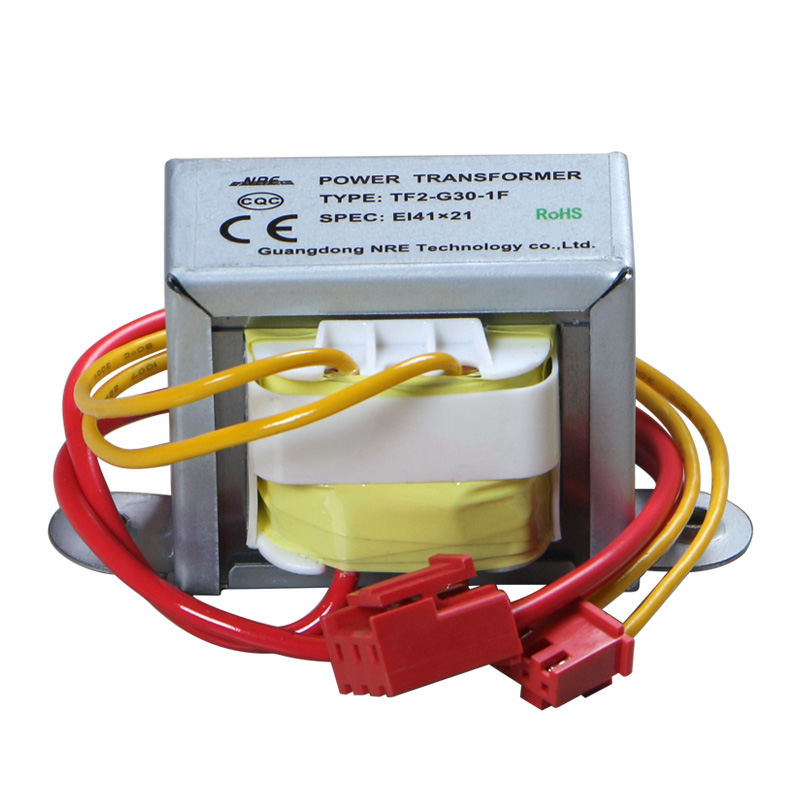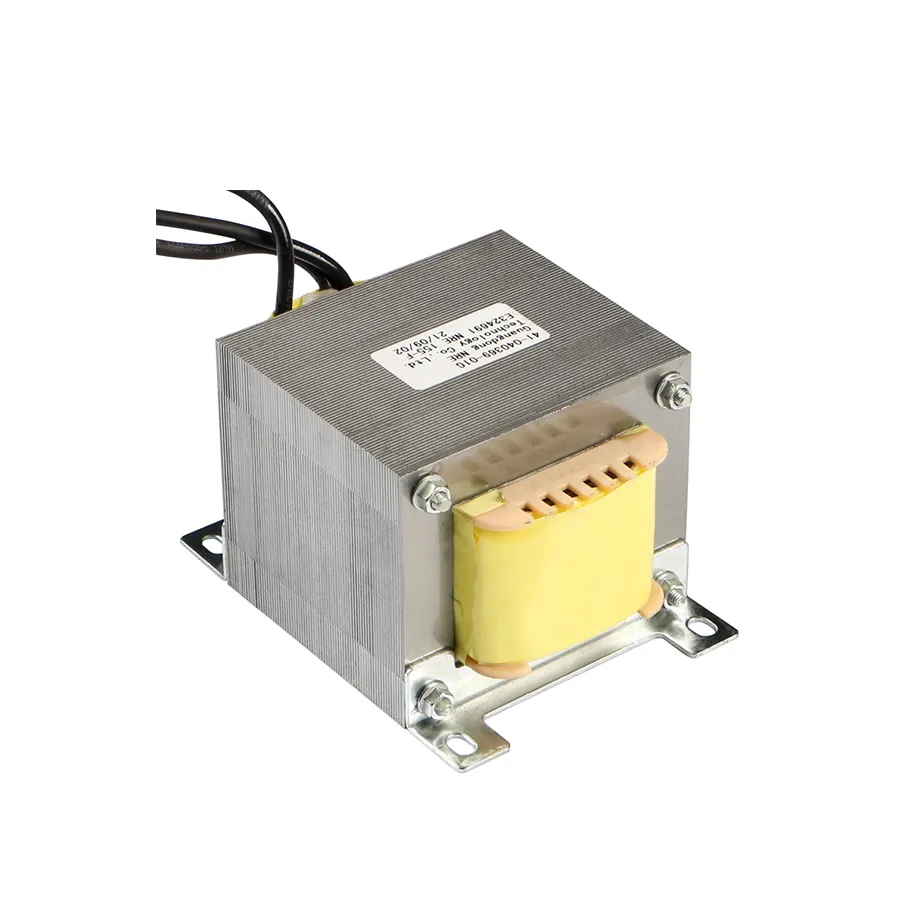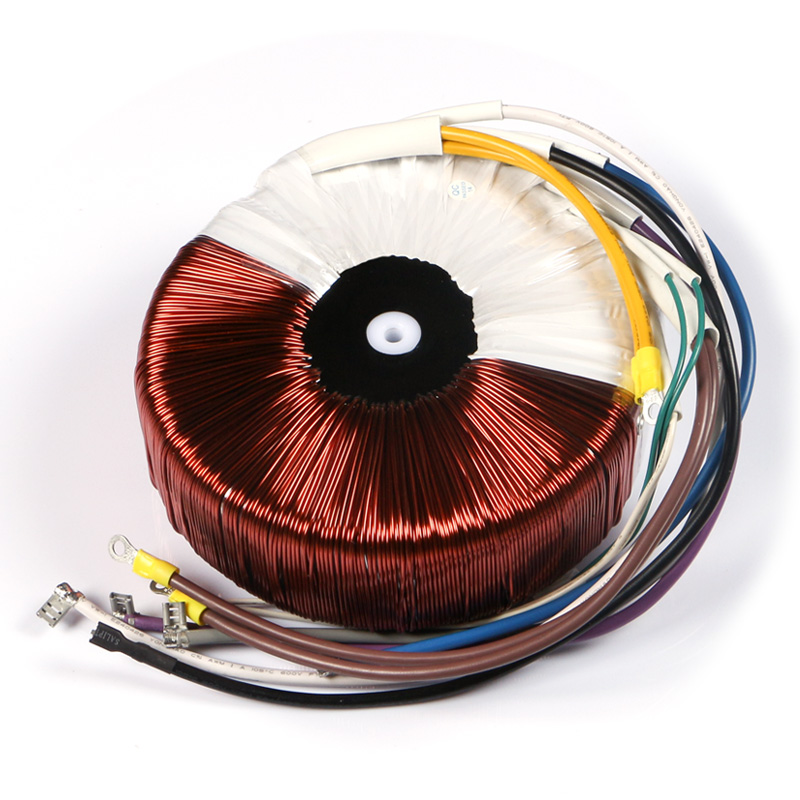

Choosing between a dry type transformer and an oil filled transformer is one of the most critical decisions in power system design. Both types serve the same purpose—converting voltage levels for safe power distribution—but they differ significantly in cooling medium, maintenance requirements, safety profiles, and total cost of ownership.
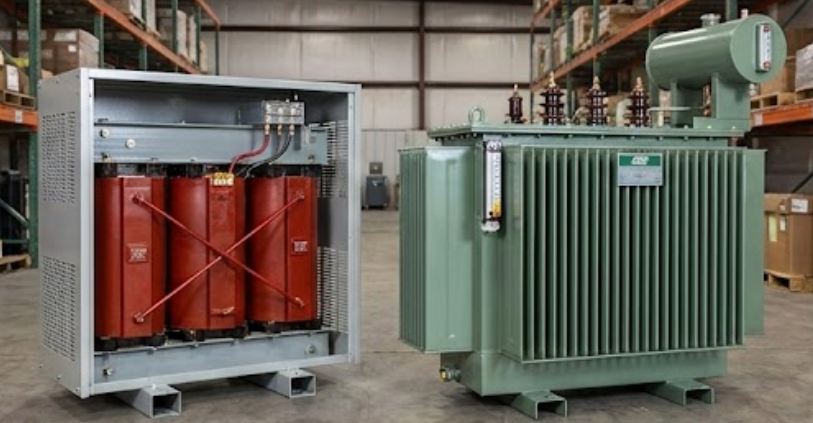 Figure 1: Side-by-side comparison of dry type (left) and oil filled (right) transformers
📋 Key Takeaways
- Dry type = Best for indoor, fire-sensitive applications (hospitals, data centers, malls)
- Oil filled = Best for outdoor, high-power applications (substations, solar farms)
- Voltage limit: Dry type ≤35kV; Oil filled up to 765kV+
- Overload capacity: Dry ~120% for 2hr; Oil up to 150% for 2hr
- Lifespan: Dry 15-25 years; Oil 25-40 years
- TCO Winner: Oil wins at >50% loading; Dry wins at <30%< /li>
Understanding the Core Difference
| Feature | 🌬️ Dry Type | 🛢️ Oil Filled |
|---|---|---|
| Cooling Medium | Air (natural/forced) | Mineral oil or ester fluids |
| Insulation | Solid (epoxy, cast resin) | Dielectric oil |
| Maximum Voltage | Up to 35kV | Up to 765kV+ |
| Typical Power Range | 25kVA - 30MVA | 50kVA - 1,500MVA |
Dry transformers use ambient air for cooling with solid insulation materials. Oil immersed transformers submerge the core in insulating oil—with thermal conductivity (~0.15 W/m·K) 6x better than air.
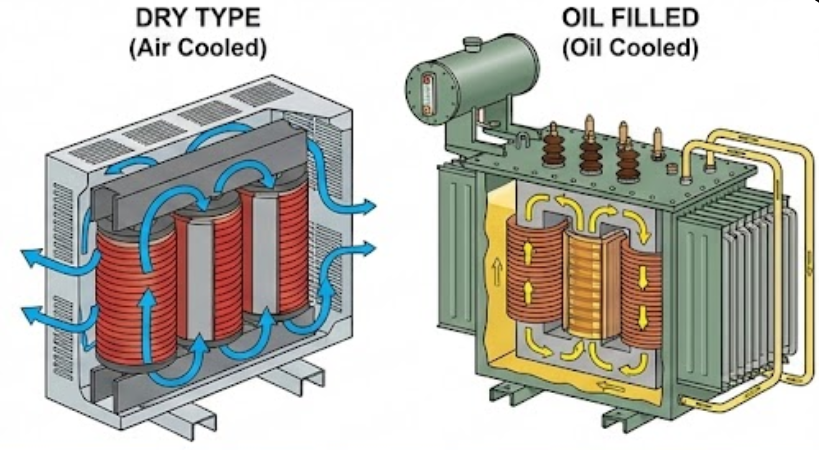 Figure 2: Cooling mechanism comparison - air natural convection (dry) vs oil circulation (oil-immersed)
Master Comparison Table
| Parameter | 🌬️ Dry Type | 🛢️ Oil Filled | Winner |
|---|---|---|---|
| Cooling Efficiency | Lower | Higher | 🛢️ Oil |
| Fire Safety | Excellent | Requires precautions | 🌬️ Dry |
| Environmental Risk | Minimal | Spill risk present | 🌬️ Dry |
| Noise Level | 45-65 dB | 35-50 dB | 🛢️ Oil |
| Initial Cost | Higher (+35-50%) | Lower | 🛢️ Oil |
| Maintenance Cost | $800-1,500/yr | $1,500-3,000/yr | 🌬️ Dry |
| Lifespan | 15-25 years | 25-40 years | 🛢️ Oil |
| Overload Capacity | ~120%/2hr (IEEE) | 150%/2hr (IEEE) | 🛢️ Oil |
| Indoor Installation | Ideal | Requires fire protection | 🌬️ Dry |
Safety & Environmental Considerations
| Aspect | 🌬️ Dry Type | 🛢️ Oil (Mineral) | 🛢️ Oil (Ester) |
|---|---|---|---|
| Flashpoint | N/A | ~145°C | >300°C |
| Fire Risk | Very Low | Moderate-High | Low |
| Self-Extinguishing | Yes | No | Yes |
Key Points: Indoor installations in hospitals and malls require dry type per NFPA 70 NEC fire codes. Oil-filled units may require fireproof vaults. Modern ester oils (IEC 60076 compliant) offer higher flashpoints.
Maintenance & Total Cost of Ownership
| 20-Year TCO (1,000kVA @ 60% load) | 🌬️ Dry Type | 🛢️ Oil Filled |
|---|---|---|
| Initial + Installation | $37,000 | $30,000 |
| 20-Year Operating Cost | $126,000 | $124,000 |
| Total TCO | $163,000 | $154,000 |
Application Selection Guide
| Application | Recommended | Reason |
|---|---|---|
| Hospital | 🌬️ Dry | Fire safety, indoor |
| Data Center | 🌬️ Dry | Fire risk, clean environment |
| Shopping Mall | 🌬️ Dry | Indoor, public safety |
| Solar/Wind Farm | 🛢️ Oil | Outdoor, efficiency |
| Utility Substation | 🛢️ Oil | High voltage, lifespan |
| Underground Substation | 🌬️ Dry | Fire safety, ventilation limits |
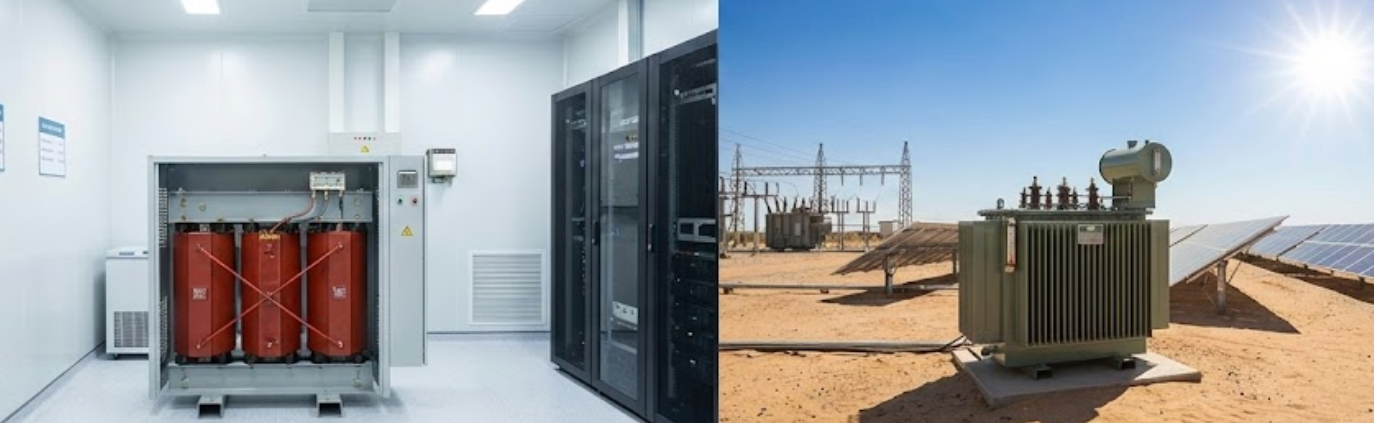 Figure 3: Typical applications - Dry type in hospital (left) vs Oil-immersed in solar farm (right)
Real-World Case Studies
🏥 Case Study 1: Regional Medical Center (Southeast Asia)
| Transformer | NRE SCB11 Dry-Type, 1,600kVA, 20kV/0.4kV (×4 units) |
| Challenge | Indoor installation with strict fire codes; MRI requiring low EMI |
| Result | Zero fire risk, <42dB noise, 98.5% efficiency; saved $120,000 vs fireproof vault |
☀️ Case Study 2: 100MW Solar Farm (Middle East)
| Transformer | NRE SH15 Oil-Immersed, 2,500kVA, 33kV/0.69kV (×24 units) |
| Challenge | Extreme temps (55°C); EU Tier-2 efficiency requirements |
| Result | No-load loss reduced 70%; 40-year expected lifespan |
NRE Product Recommendations
🌬️ SCBH15-M Amorphous Alloy Dry-Type
33kV/0.4kV, 75kVA-2,500kVA
Ultra-low no-load losses
🛢️ SH15 Amorphous Alloy Oil-Immersed
6kV/10kV, 50kVA-2,500kVA
No-load loss reduced 70-80%
Frequently Asked Questions
Q1: Which is better—oil type or dry type transformer?
Neither is universally "better." Choose dry type for indoor, fire-sensitive environments (voltage ≤35kV). Choose oil filled for outdoor, high-power applications requiring maximum efficiency.
Q2: Can I use an oil filled transformer indoors?
Yes, but it requires a fireproof vault, oil containment, fire suppression, and ventilation. Most facilities choose dry type to avoid these costs.
Q3: What is the lifespan difference?
With proper maintenance: Dry type 15-25 years; Oil filled 25-40 years. Oil's superior cooling reduces thermal stress.
Q4: Which is more environmentally friendly?
Dry type has zero spill risk but higher manufacturing footprint. Oil filled is more efficient (lower CO₂) and easier to recycle. Modern ester oils are biodegradable.
Q5: Why do dry type transformers cost more upfront?
They require specialized solid insulation (epoxy, cast resin), larger dimensions for air cooling, and complex manufacturing processes.
Need Help Choosing the Right Transformer?
Our engineering team has 30+ years of experience designing transformers for diverse applications.
Contact Us Request a Quote