
Toroidal Power Transformers: The Complete Engineering & Buyer's Guide
Dec 16,2025 | nretec
When precision, efficiency, and silent operation matter, toroidal power transformers are the gold standard. From high-fidelity audio amplifiers to medical imaging equipment and industrial UPS systems, this elegant donut-shaped design has earned its place at the heart of critical power applications.
This comprehensive guide covers everything engineers and OEM buyers need to know: the fundamental principles, the technical advantages over traditional EI laminated transformers, critical considerations like inrush current, and how to select the right specifications for your project.
What Is a Toroidal Power Transformer?
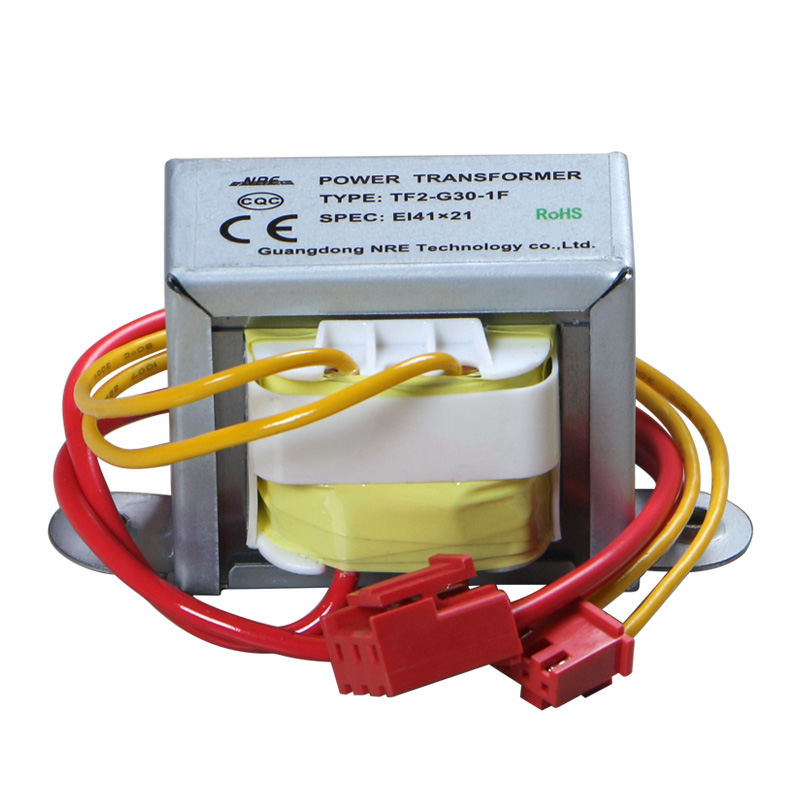
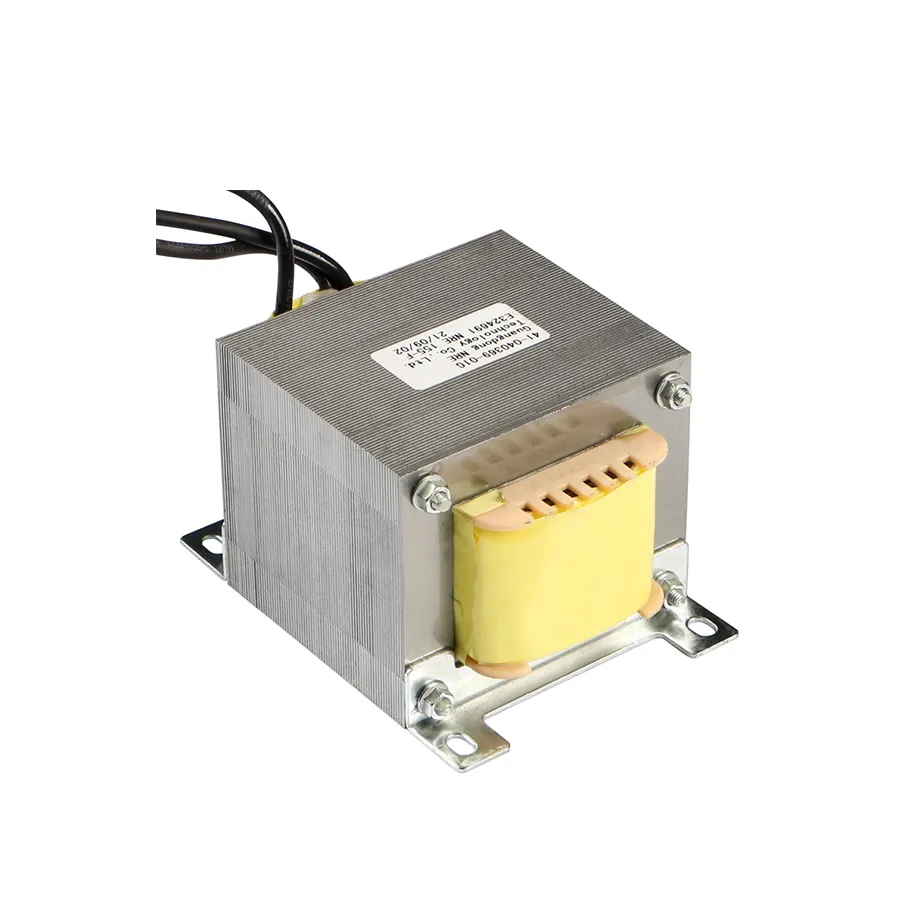
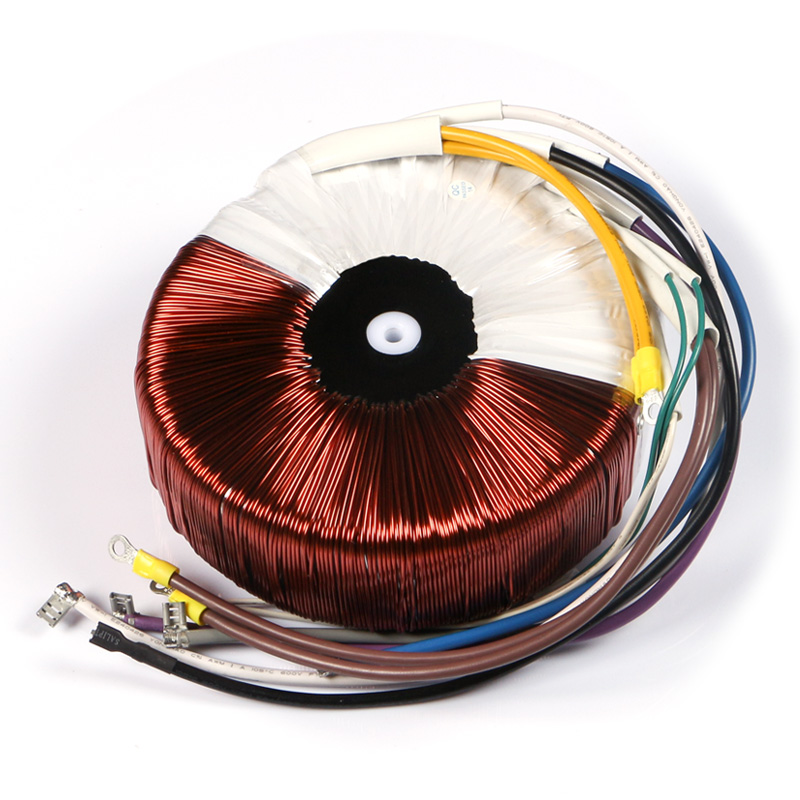
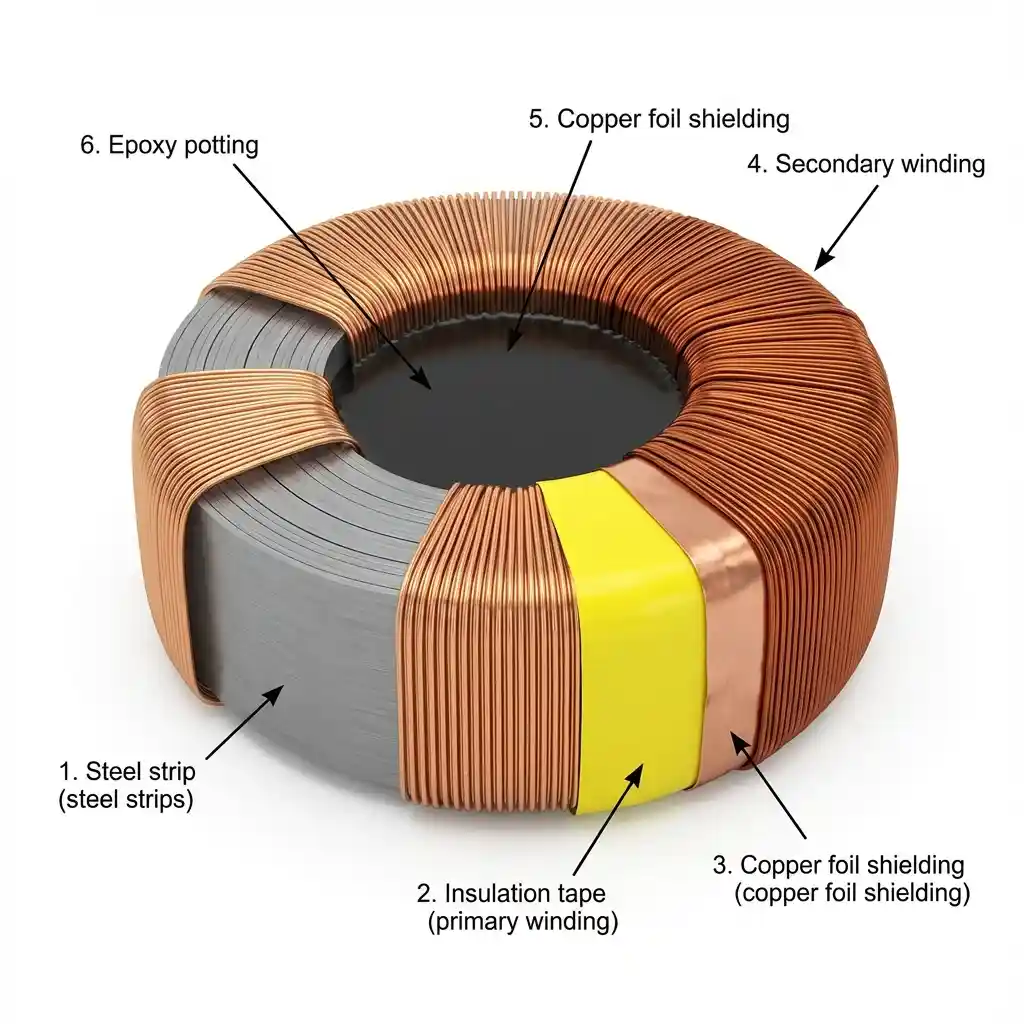
A toroidal power transformer is a type of electrical transformer built around a ring-shaped (toroidal) core of grain-oriented silicon steel. Unlike traditional stacked laminations (E-I cores), the toroidal core is a single, continuous strip of steel wound into a tight, gapless ring.
How Does It Work?
The operating principle follows Faraday's Law of Electromagnetic Induction. An AC voltage applied to the primary winding creates a fluctuating magnetic field in the core, which induces voltage in the secondary. The toroidal geometry ensures that virtually all magnetic flux is contained within the core, maximizing energy transfer.
5 Key Advantages of Toroidal Power Transformers
1. Higher Electrical Efficiency (90-97%)
Toroidal cores can operate at higher flux densities (up to 16.5 kilogauss) compared to EI laminations. This allows for fewer winding turns and lower core losses.
Real-World Impact: A high-efficiency toroidal power transformer typically achieves 95%+ efficiency, with custom designs reaching 97%.
*Technical Note: Efficiency figures measured at 75% rated load per IEC 60076-1 methodology.
2. Ultra-Low Acoustic Noise
For Audio Applications: This is why audio amplifier transformers are almost exclusively toroidal. The tightly wound, continuous strip is inherently stable and creates no audible hum.
3. Minimal Electromagnetic Interference (EMI)
The closed magnetic path of a toroidal transformer contains virtually all stray flux. This makes toroids ideal for equipment requiring EN 55011 / FCC Part 15 EMI compliance.
4. Compact Size & Light Weight
Compared to an EI transformer of the same power rating, a toroidal is typically 50% lighter and 30-50% smaller.
5. Superior Thermal Performance
The large surface area of the evenly distributed windings allows for efficient heat dissipation, operating at lower temperatures (rise of 40-55°C).
Comparison Table: Toroidal vs. Laminated (EI) Transformers
| Feature | Toroidal Power Transformer | Laminated EI Transformer |
|---|---|---|
| Efficiency | 90-97% | 85-92% |
| Magnetic Flux Leakage | Very Low | Moderate to High |
| Acoustic Noise (Hum) | Near Silent | Noticeable Hum |
| Weight | ~50% Lighter | Heavier |
| Physical Size | ~30-50% Smaller | Larger |
| Inrush Current | Higher (Requires mitigation) | Lower |
Critical Engineering Consideration: Inrush Current
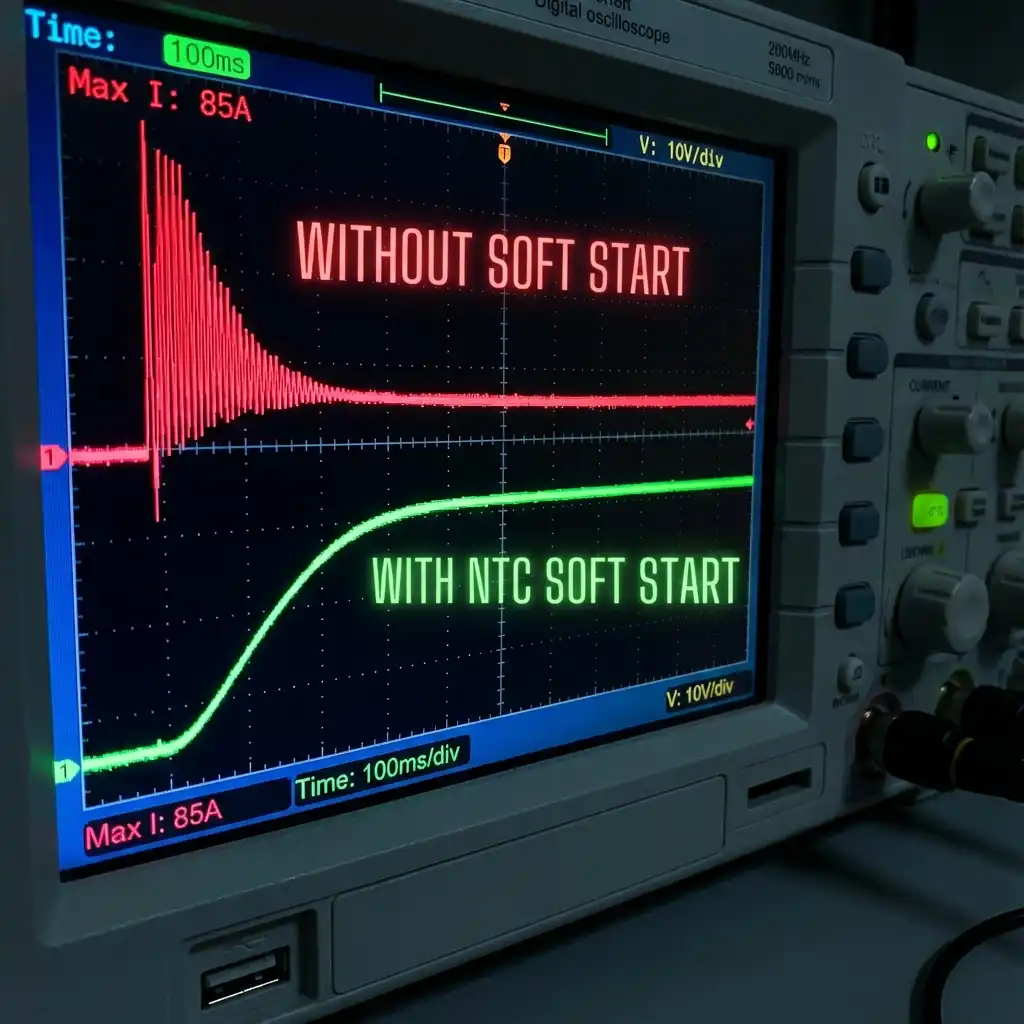
Solutions & Best Practices
- Use Slow-Blow Fuses: Type T or C breakers prevent nuisance tripping.
- Implement Soft-Start Circuit:
- NTC Thermistors: Low-cost, effective for <500VA.< /li>
- Pre-Insertion Resistors: For high power units.
- Zero-Crossing Switch: Energizes at AC peak to prevent saturation.
- Internal NTC Thermistor: Embedded directly into the transformer.
- External Soft-Start Module: Matched relay-bypass modules for 1kVA+.
Concerned about Inrush? Talk to an NRE engineer.
Discuss Soft-Start Solutions »
How to Select a Toroidal Power Transformer
- Power Rating (VA): Add 20-30% margin. NRE offers 10VA to 15kVA.
- Special Requirements:
- Electrostatic Shield (ESS): Copper foil for common-mode noise rejection (Medical/Audio).
- Magnetic Shield (GOSS Band): Steel band for stray flux containment.
- Safety: Medical Grade designs available (IEC 60601-1, 4kV Hi-Pot).
Frequently Asked Questions (FAQ)
Ready to Start Your Project?
Partner with NRE for 30+ years of ISO 9001 certified manufacturing expertise.
Request a Custom Quote »Comment